Why Political Cultural Change is Essential
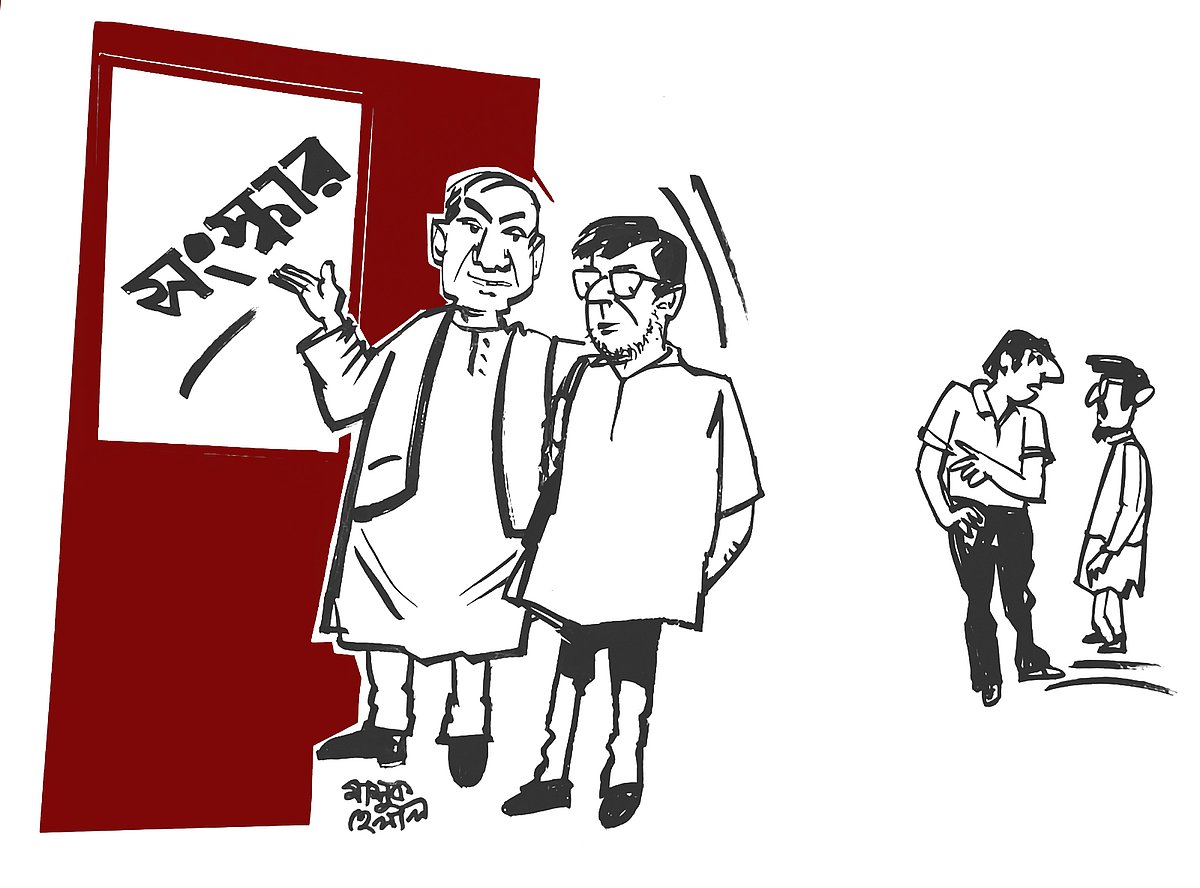
Returning to political stability after a popular uprising can be challenging, yet it also presents an opportunity for positive transformation. Over the past two years, there have been extensive discussions about reforms, the recommendations of numerous commissions, and ultimately, the July Charter. However, despite these efforts, a significant question remains: how much actual change have we witnessed or can we expect in the political landscape? The current situation highlights the difficulty in translating reform initiatives into tangible political shifts. The gap between the extensive planning and the observable outcomes underscores the deep-rooted nature of the challenges in achieving a stable and responsive political system. Further examination is needed to understand the factors hindering progress and to identify effective strategies for fostering genuine political evolution.
The period following a popular uprising often presents a critical juncture for political systems, balancing the need for stability with the potential for reform. While institutional mechanisms like commissions and charters are established, their effectiveness hinges on translating recommendations into concrete political and cultural shifts. The persistent question of observable change suggests a potential disconnect between the reform agenda and its implementation, possibly due to entrenched interests or systemic inertia. Future political development may depend on addressing these implementation gaps and fostering a political culture that is more responsive to societal demands, rather than solely relying on procedural changes. The long-term success will likely be measured by the degree to which governance becomes more accountable and adaptive to the evolving needs of the populace.
AI-generated to prompt reflection — not editorial opinion, not advice, not a statement of fact. How this works.