Why Portuguese and Brazilian Football Terms Differ: A Linguistic Evolution
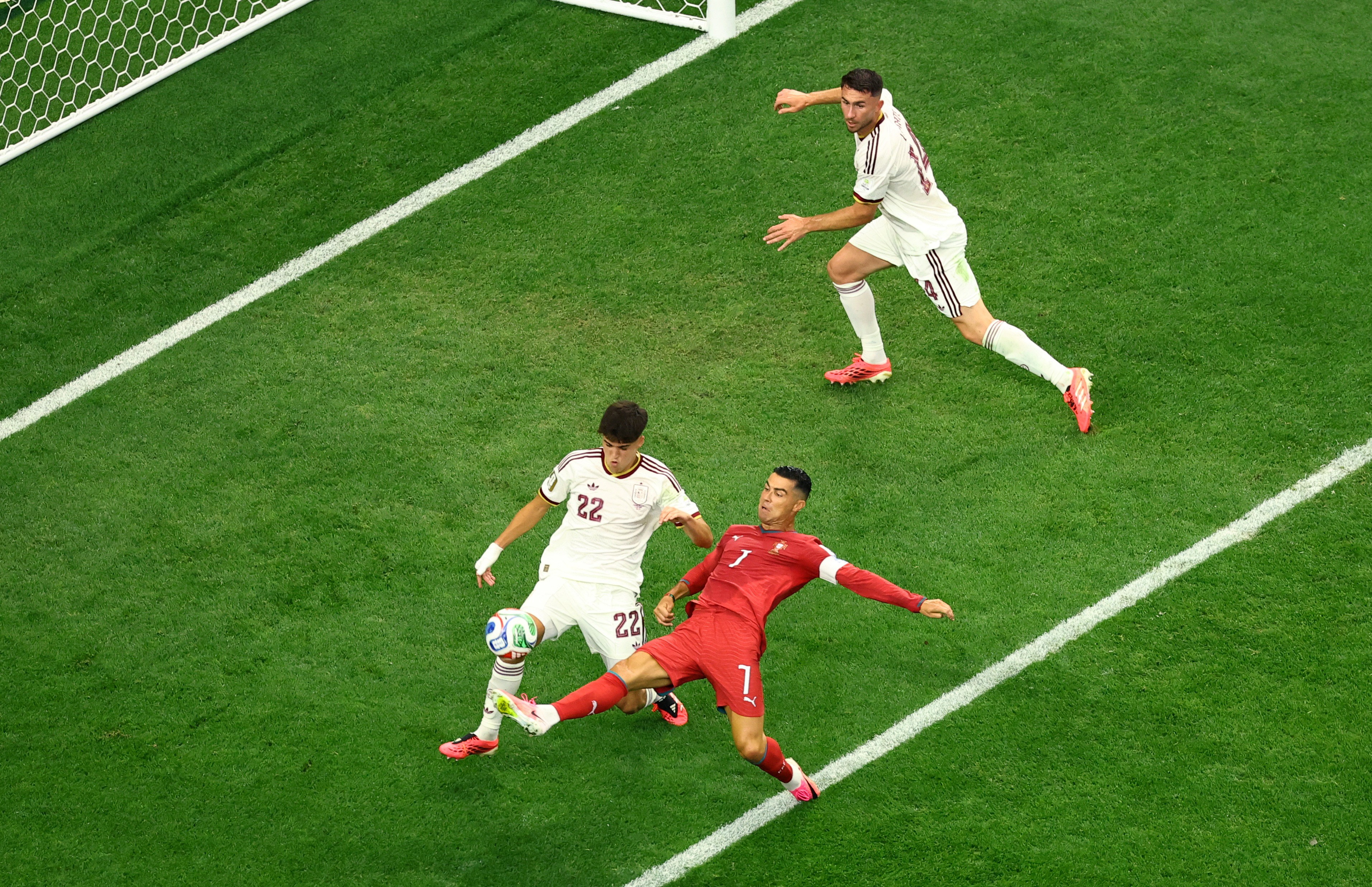
Football broadcasts in Portugal often feature distinct terminology compared to Brazil, even when discussing the same sport. For instance, a Brazilian 'time' becomes a Portuguese 'equipa,' a 'goleiro' is a 'guarda-redes,' and 'gramado' is referred to as 'relvado.' Even major tournaments are called the 'Campeonato Mundial' in Portugal, not the 'Copa do Mundo.' These linguistic divergences become particularly noticeable during international competitions when audiences switch between Brazilian and Portuguese media. Linguists explain that these differences are natural and stem from over five centuries of separate development since the Portuguese language arrived in Brazil. The Brazilian variant evolved through contact with indigenous peoples, Africans, immigrants, and diverse cultural realities, incorporating new sounds, words, and grammatical structures. This process is common to all living languages, similar to variations between British and American English or Spanish spoken in Spain and Latin America. Experts emphasize that neither variant is inherently more correct; they simply reflect the unique historical, cultural, and societal contexts of each region. Football, being a significant part of the cultural identity in both nations, serves as a prominent showcase for these linguistic distinctions. While some terms are widely recognized, others can be surprising. Examples include 'Copa do Mundo' vs. 'Campeonato Mundial,' 'time' vs. 'equipa,' 'goleiro' vs. 'guarda-redes,' and 'gramado' vs. 'relvado.' Despite these differences, the international exchange of athletes, coaches, and media has led to increased mutual comprehension, with some Brazilian terms like 'craque' and 'drible' becoming understood and even used in Portugal. Ultimately, these evolving variants enrich the Portuguese language, demonstrating its capacity to adapt and reflect the distinct histories and identities of its speakers.
The divergence in football terminology between Brazil and Portugal highlights the natural evolution of language within distinct cultural and historical contexts. While shared origins provide a foundation, separate societal development leads to unique linguistic adaptations, particularly in culturally significant domains like sports. This phenomenon underscores that language is a dynamic system, continually shaped by its users' experiences and environments, rather than a static set of rules. The cross-pollination of terms, facilitated by globalization and media, demonstrates a reciprocal influence, suggesting that linguistic variants are not isolated but engage in a continuous, albeit sometimes subtle, exchange. This ongoing adaptation ensures the vitality of the language, reflecting the diverse identities and histories of its global communities.
AI-generated to prompt reflection — not editorial opinion, not advice, not a statement of fact. How this works.