Why Pots Turn Black on Clay Stoves but Not Gas Stoves
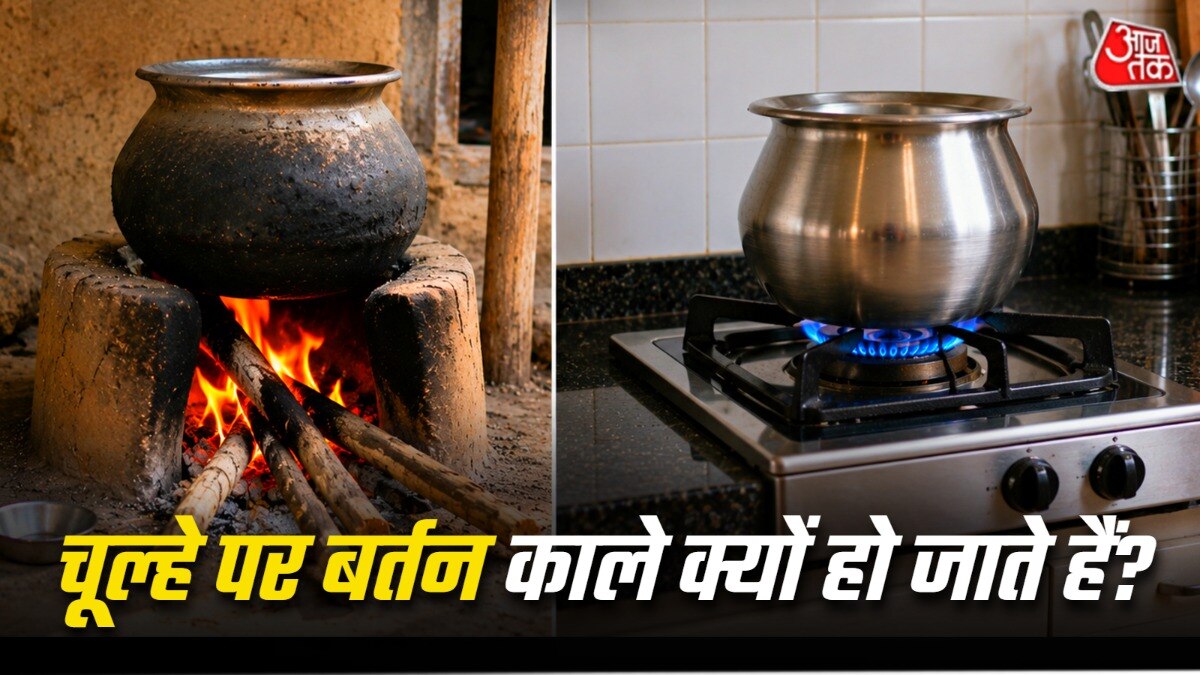
This story investigates why cooking pots become blackened when used on traditional clay stoves, a phenomenon not observed with modern gas stoves. The explanation lies in the fundamental chemical differences between the combustion processes of wood or other solid fuels used in clay stoves and the natural gas used in gas stoves. Clay stoves typically burn solid fuels like wood, dung cakes, or coal. This type of combustion is often incomplete, especially when airflow is limited or the fuel is not entirely dry. Incomplete combustion releases unburned carbon particles, also known as soot. These fine soot particles adhere to the bottom of the cooking pots, causing them to turn black. Gas stoves, on the other hand, burn natural gas, which is primarily methane. Natural gas combustion is generally more complete and efficient, producing fewer soot particles. The higher temperature and better oxygen supply in gas burners contribute to cleaner burning. Therefore, the difference in the color of the pots is a direct result of the varying completeness of combustion and the resulting byproducts from different fuel sources.
The divergence in pot discoloration between clay and gas stoves highlights a fundamental difference in combustion efficiency and fuel composition. Incomplete combustion on clay stoves, often due to limited oxygen and fuel variability, leads to soot deposition. This contrasts with the cleaner, more complete combustion of natural gas in gas stoves, facilitated by controlled fuel delivery and higher temperatures. From a systems perspective, the choice of fuel and stove technology directly impacts air quality and resource efficiency. While clay stoves offer accessibility and traditional utility, their environmental footprint includes particulate matter emissions. Gas stoves represent a technological advancement prioritizing efficiency and reduced immediate emissions, though their broader lifecycle impacts, including gas extraction and distribution, warrant consideration. Understanding these trade-offs is crucial for developing sustainable and healthy cooking solutions for the future.
AI-generated to prompt reflection — not editorial opinion, not advice, not a statement of fact. How this works.