Why Pressure Cooker Meals Lack Flavor and Appeal
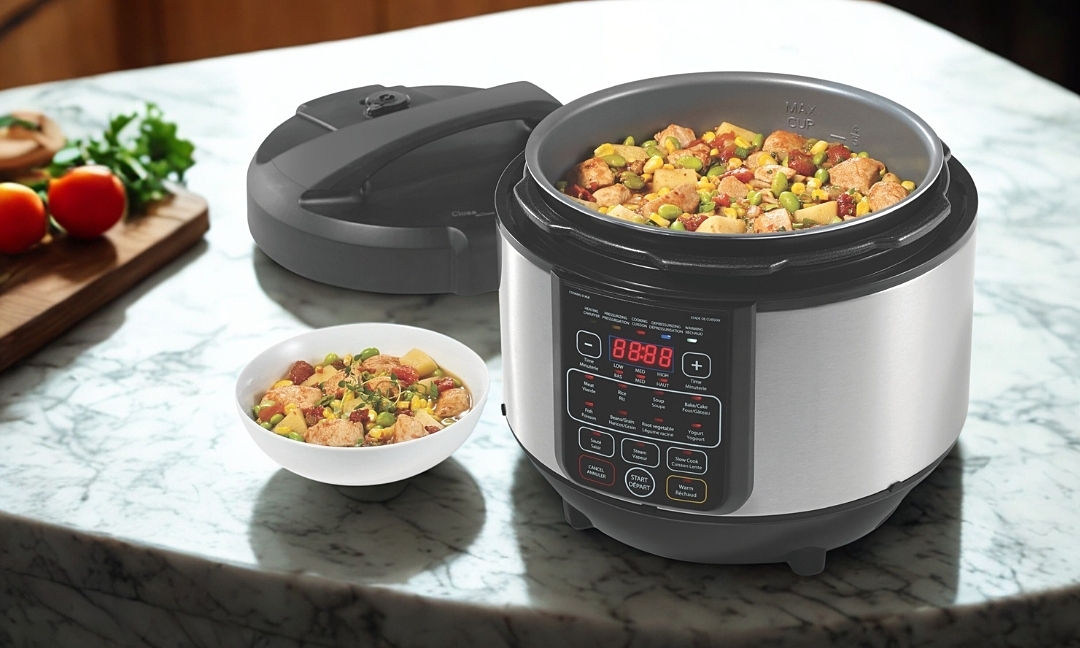
Pressure cooker meals are often less flavorful and visually appealing due to the cooking method. The high-temperature, sealed environment within a pressure cooker can degrade many compounds responsible for creating aromatic flavors. Furthermore, this environment inhibits the Maillard reaction, a crucial process that develops browning and desirable colors in food. While pressure cookers excel at cooking food quickly and efficiently, this speed comes at the cost of complex flavor development and aesthetic qualities. This method is best suited for dishes where tenderness and speed are prioritized over nuanced taste and appearance. Therefore, for meals where rich aroma and visual appeal are paramount, traditional cooking methods might be preferred.
The inherent design of pressure cookers, prioritizing rapid heat transfer and moisture retention, fundamentally alters the chemical reactions responsible for flavor and color development in food. While this offers significant advantages in terms of cooking time and energy efficiency, it creates a trade-off with the sensory experience of taste and appearance. Understanding these scientific limitations allows consumers to make informed choices about cooking methods based on desired outcomes. Over the next decade, advancements in smart kitchen technology may seek to mitigate these drawbacks, potentially by integrating sensors and dynamic temperature controls to better balance speed with traditional culinary aesthetics and flavor profiles.
AI-generated to prompt reflection — not editorial opinion, not advice, not a statement of fact. How this works.