Why RAC Train Tickets Cost Full Fare: Indian Railways Explains
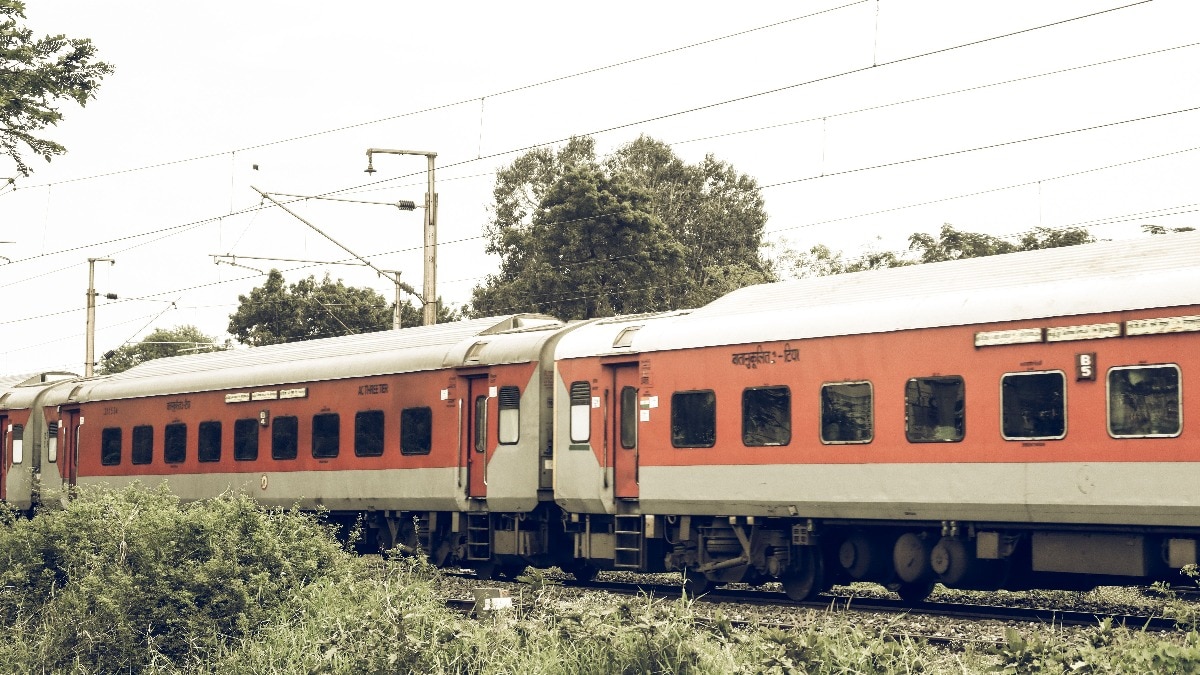
Many passengers question why they are charged the full fare for an RAC (Reservation Against Cancellation) ticket, which only guarantees a seat and not a full berth. Indian Railways has provided an explanation for this pricing structure. RAC tickets are issued when a confirmed ticket holder cancels their booking, and the system allocates a seat to the RAC passenger. Despite not receiving a full sleeping berth, the fare charged is equivalent to that of a confirmed lower berth ticket in the same class. This policy is in place to manage the allocation of available space and revenue. The Indian Railways operates on a complex system of fare calculation that considers various factors beyond just the physical space occupied by a passenger. The pricing aims to reflect the overall service and availability of confirmed reservations. Understanding this system helps clarify the rationale behind the charges for RAC tickets.
The Indian Railways' fare structure for RAC tickets presents a system where passengers pay for a confirmed reservation's value, even when receiving only partial accommodation. This policy highlights the tension between maximizing revenue and ensuring passenger equity. From a financial perspective, it ensures that the railway does not incur a revenue loss on a berth that could have been sold as a full ticket. However, it raises questions about the perceived value proposition for passengers who receive less than a full berth. Future considerations might involve tiered pricing models that better reflect the actual accommodation provided, potentially improving passenger satisfaction while still accounting for operational costs and revenue generation. This pricing mechanism underscores the ongoing challenge of balancing commercial interests with public service expectations in large-scale transportation networks.
AI-generated to prompt reflection — not editorial opinion, not advice, not a statement of fact. How this works.