Why Rahul Gandhi's Protest Angered the Aam Aadmi Party
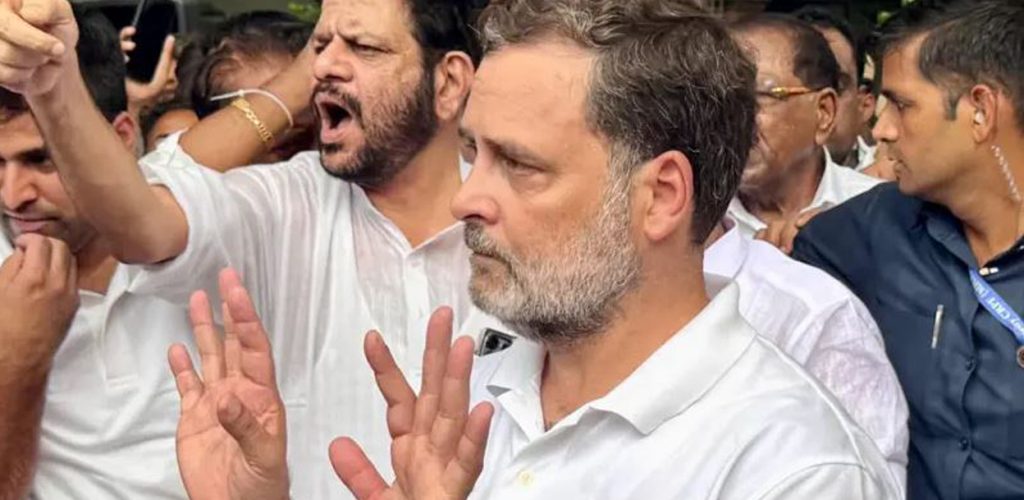
According to leaders of the Aam Aadmi Party (AAP), the Modi government reacted swiftly to the protest led by Rahul Gandhi. However, the government has consistently ignored the movement by Sonam Wangchuk and the Kroach Janata Party at Jantar Mantar. This selective attention has apparently angered the AAP. The party believes the government's response highlights a double standard in how protests are treated. While Gandhi's demonstration received immediate attention, other movements have been overlooked. This disparity in governmental response is the core of the AAP's frustration. The AAP leadership feels their concerns, and those of other groups, are being dismissed while certain protests are prioritized. The situation at Jantar Mantar, involving Sonam Wangchuk and the Kroach Janata Party, serves as a key example of this perceived neglect. The AAP's reaction underscores a broader debate about fairness and equity in democratic processes and governmental responsiveness.
The Aam Aadmi Party's critique suggests a potential pattern of differential treatment of public demonstrations by the government. This could stem from various factors, including political calculations, the perceived influence of protest leaders, or differing issue priorities. From a governance perspective, consistent and equitable engagement with all civil society movements is crucial for democratic legitimacy and public trust. The disparity in response, as alleged by the AAP, raises questions about the mechanisms for issue prioritization and resource allocation within the administration. Looking ahead, a more standardized approach to acknowledging and addressing diverse forms of public expression could foster a more inclusive and responsive political environment, mitigating perceptions of favoritism and ensuring that a wider range of societal concerns receive due consideration.
AI-generated to prompt reflection — not editorial opinion, not advice, not a statement of fact. How this works.