Why Regular Headphones Aren't Suitable for Swimming
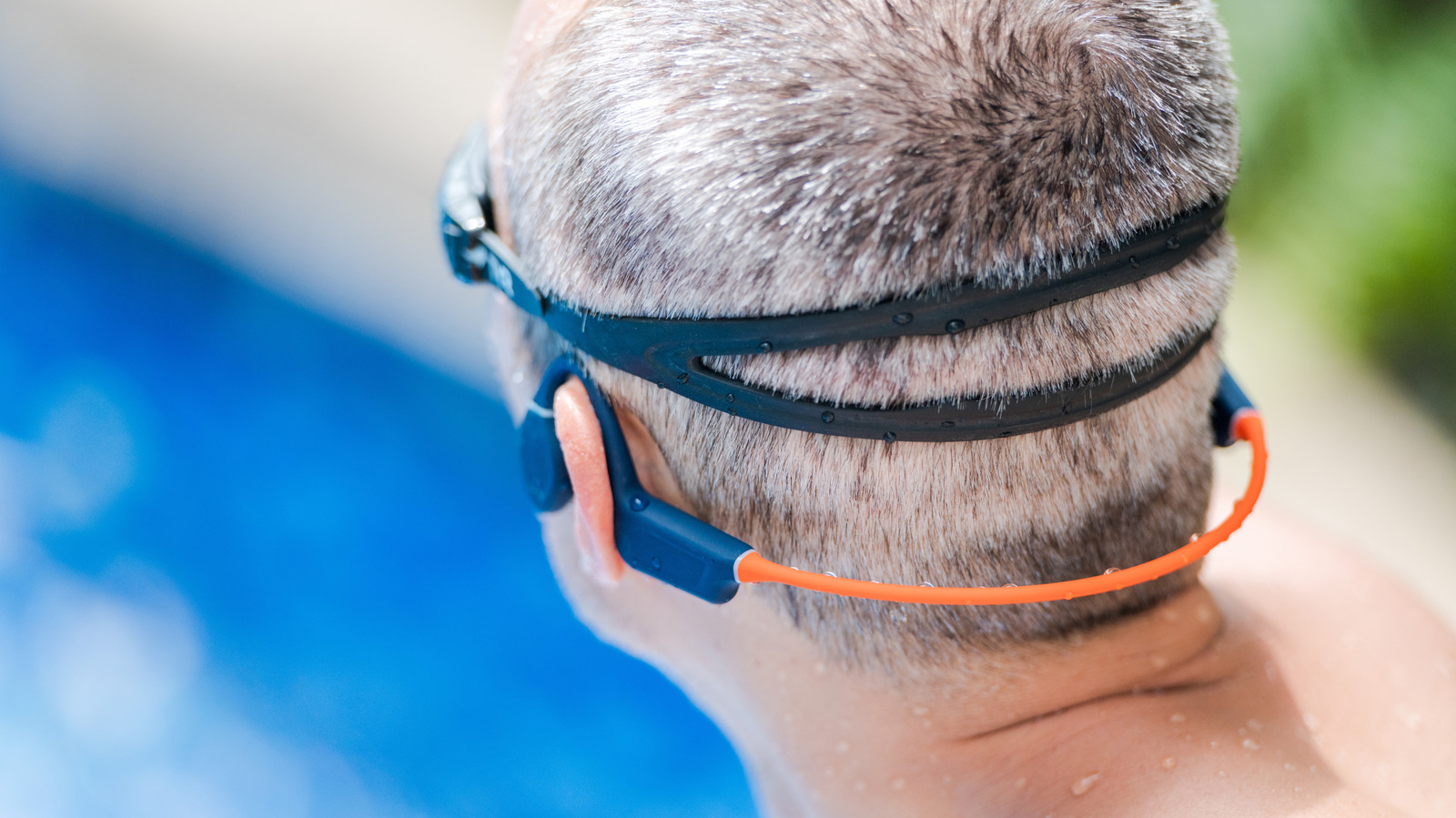
Regular headphones, including popular models like AirPods, are generally not designed for submersion in water. Their internal components are susceptible to damage from prolonged exposure to liquids, which can lead to short circuits and permanent malfunction. Swimming headphones, on the other hand, are specifically engineered to withstand water pressure and prevent water from entering the device. They often feature a waterproof casing and specialized materials that ensure durability and safety during aquatic activities. The design considerations for swimming headphones prioritize a secure fit that stays in place during movement in the water, as well as resistance to chlorine and saltwater if used in pools or the ocean. This specialized construction allows them to function reliably underwater, providing an audio experience that regular headphones cannot offer in such an environment. Therefore, using non-waterproof headphones for swimming poses a significant risk of damaging the device and is not recommended.
The distinction between regular and swimming headphones highlights a fundamental design trade-off between versatility and specialization. While consumer electronics aim for broad applicability, the physics of water immersion necessitate specific engineering solutions for durability and functionality. This divergence underscores the evolving market for specialized wearable technology, driven by consumer demand for devices tailored to distinct lifestyle activities. As technology advances, we can anticipate further innovations in materials science and miniaturization, potentially blurring the lines between general-purpose and specialized audio devices, or conversely, leading to even more niche products catering to specific user needs.
AI-generated to prompt reflection — not editorial opinion, not advice, not a statement of fact. How this works.