Why SIM Card Prices Remain High Despite Removal of Tk 300 Tax
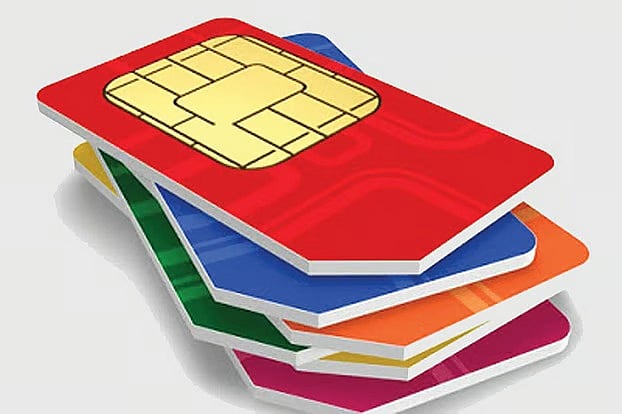
Despite the removal of a Tk 300 tax, the prices of SIM cards have not decreased, raising questions about the reasons behind this trend. Currently, some operators are selling SIM cards for Tk 400, while others are priced at Tk 200. This significant price disparity among different operators has become a point of concern and discussion.
The initial expectation was that the removal of the tax would lead to a reduction in the cost of SIM cards for consumers. However, market dynamics or other factors appear to be preventing this price adjustment. The wide range in pricing, from Tk 200 to Tk 400, suggests that operator-specific strategies, market segmentation, or varying service offerings might be influencing the final cost to the customer. Further investigation is needed to understand the underlying causes of this sustained high pricing and the significant price differences.
The persistence of high SIM card prices post-tax removal suggests that the Tk 300 tax was not the sole determinant of cost. Operator pricing strategies, driven by market share objectives, customer acquisition costs, or perceived value of their services, likely play a more significant role. The disparity in prices between operators could indicate varying levels of competition, investment in network infrastructure, or the bundling of additional services. In the evolving digital economy, where mobile connectivity is foundational, understanding these pricing mechanisms is crucial for ensuring equitable access and fostering fair market competition. Future regulatory focus might consider examining the cost structures and pricing policies of telecom operators to ensure consumer benefit from policy changes.
AI-generated to prompt reflection — not editorial opinion, not advice, not a statement of fact. How this works.