Why SK Group Chairman Choi Tae-won Recalled the 40-Year-Old US-Japan Semiconductor Treaty
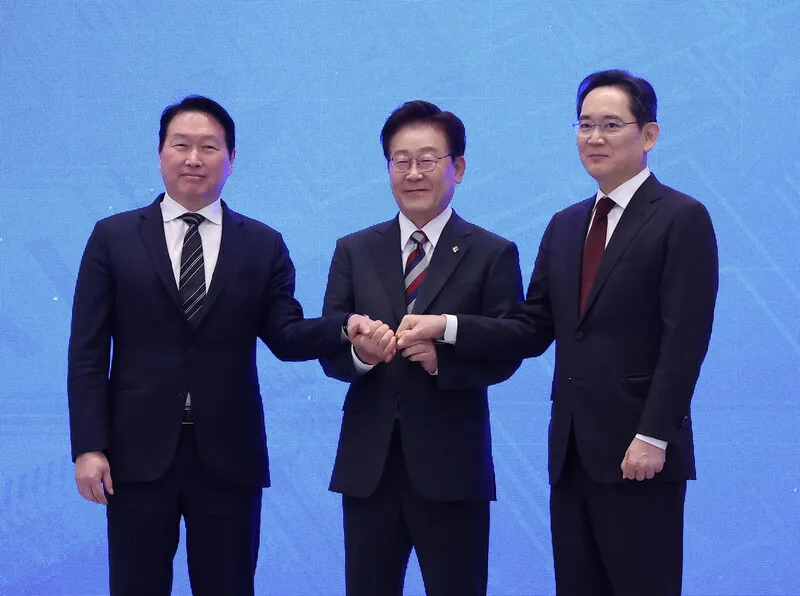
SK Group Chairman Choi Tae-won recently brought up the 1986 US-Japan Semiconductor Agreement, a move that has drawn attention. This historical accord, signed 40 years ago, aimed to address trade imbalances and market access issues in the semiconductor industry between the two nations. The agreement led to a significant restructuring of the global semiconductor landscape, influencing production and market share for decades. Choi's reference to this treaty suggests a potential parallel or lesson he sees for the current semiconductor industry dynamics. The semiconductor sector is currently facing intense competition and geopolitical tensions, particularly concerning supply chains and technological dominance. By invoking the US-Japan Semiconductor Agreement, Chairman Choi may be highlighting the need for strategic foresight and international cooperation in navigating these complex challenges. His remarks could be interpreted as a call to re-examine existing frameworks or to consider historical precedents in shaping future semiconductor policies. The article explores the motivations behind Chairman Choi's decision to revisit this specific historical event and its relevance to contemporary issues in the global chip market.
Chairman Choi Tae-won's invocation of the 1986 US-Japan Semiconductor Agreement in the current geopolitical climate warrants examination. The treaty's historical context involved addressing market access and trade imbalances through government intervention and international negotiation. In today's semiconductor landscape, characterized by intense nationalistic competition, supply chain vulnerabilities, and rapid technological advancement driven by AI, revisiting such historical agreements prompts reflection on the efficacy of past state-led industrial policies. The current environment necessitates a nuanced understanding of how national security concerns intersect with global trade dynamics and innovation ecosystems. Analyzing this move through the lens of future technological dependencies and the evolving role of governments in fostering or restricting cross-border collaboration could offer insights into potential strategies for navigating the complex challenges ahead, balancing national interests with the imperative for global technological progress.
AI-generated to prompt reflection — not editorial opinion, not advice, not a statement of fact. How this works.