Why Some Break Dough Before Making Rotis? Beliefs Explained
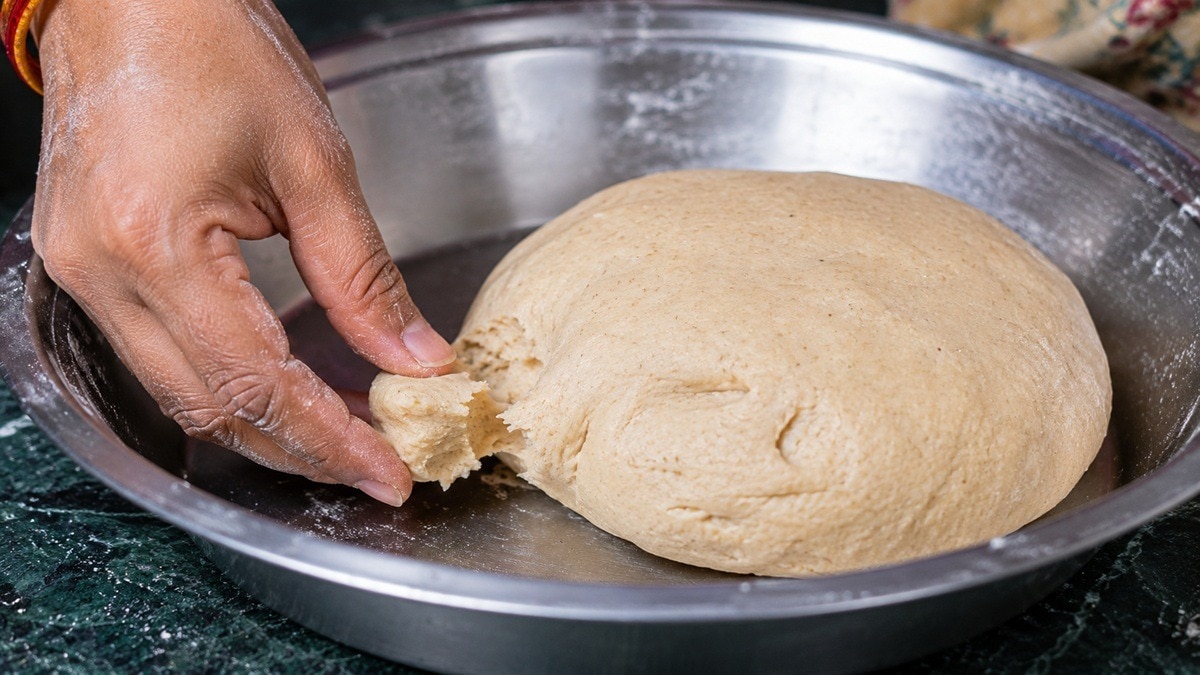
In some households, women break off a piece from the side of kneaded dough before making rotis. This practice is rooted in a belief that prosperity in the home is not confined but rather spreads throughout every part of the household. It is said that homes where this tradition is observed never experience a shortage of food and wealth. This custom is tied to the idea of abundance and ensuring that good fortune is distributed widely within the family and home.
This practice reflects a cultural belief system where ritualistic actions are performed to symbolize and encourage prosperity. The act of breaking the dough is interpreted as a symbolic distribution of good fortune, ensuring it permeates the entire household rather than remaining static. From a systemic perspective, such traditions can foster a sense of community and shared well-being, reinforcing social cohesion through shared practices and beliefs. In the context of the modern economy, while material wealth is often measured quantitatively, these cultural practices highlight the enduring human desire for qualitative abundance and security, which are often expressed through symbolic gestures.
AI-generated to prompt reflection — not editorial opinion, not advice, not a statement of fact. How this works.