Why Some Crickets Have Fallen Silent: A Study on Evolutionary Adaptation
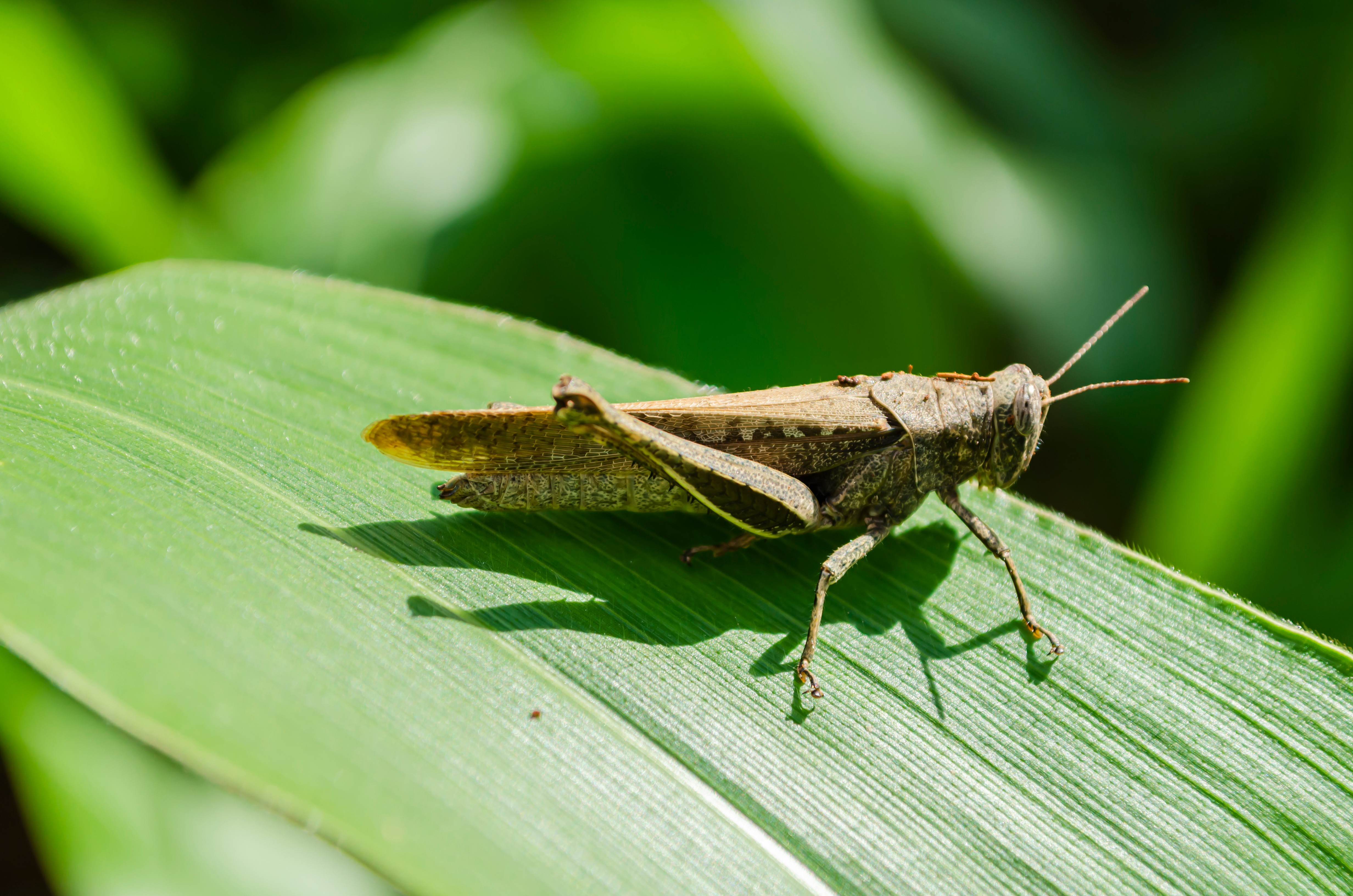
The ancient soundscape of crickets, present for at least 200 million years, is undergoing a mysterious change: many species are ceasing to sing. Traditionally, male crickets sing to attract females by rubbing their wings together, a process amplified by specialized structures. However, a new study published in the Journal of Systematics and Evolution, conducted by researchers from the University of São Paulo and the National Museum of Natural History in Paris, investigated this phenomenon in over a hundred species of arboreal crickets (family Oecanthidae). This diverse group exhibits all evolutionary stages, from fully winged, singing crickets to those with reduced or absent wings and even lost hearing. The study generated a phylogenetic tree using genetic data to reconstruct the evolutionary history of these insects, revealing that the ability to sing was lost independently at least eleven times within this family. Hearing, located in the forelegs, was also repeatedly lost. Researchers hypothesize that the high cost of singing, which attracts mates but also predators and parasites like flies that lay eggs on males, makes silence a survival advantage in certain environments. The study suggests that crickets living in confined spaces like wood galleries or rock crevices, where sound doesn't propagate well, also lose the incentive to sing. Furthermore, species inhabiting low, exposed vegetation are more vulnerable to predators, favoring silent individuals. The research also uncovered intriguing exceptions: 'deaf singers' that have lost their hearing but continue to sing, and 'silent listeners' that have lost the ability to sing but retain their hearing. The latter may use their hearing for predator detection or have adapted to communication through vibrations on surfaces, a phenomenon known as biotremology. This study highlights that the loss of senses is not an evolutionary dead end but often a pathway to new forms of adaptation and communication, mirroring other examples in nature like cave fish losing sight or snakes losing limbs. The findings suggest that animal communication is more flexible than previously understood, with sound being replaced by other methods when necessary.
This research offers a compelling case study in evolutionary adaptation, demonstrating how environmental pressures can drive the loss of seemingly advantageous traits. The independent evolution of silence across multiple cricket lineages underscores the power of natural selection to favor survival over reproduction-related signaling when predation risks are high. The identification of 'deaf singers' and 'silent listeners' reveals complex trade-offs and potential alternative communication strategies, such as biotremology, that warrant further investigation. This phenomenon challenges a simplistic view of sensory evolution, suggesting that the absence of one communication channel may spur innovation in others. Future research could explore the genetic mechanisms underlying these sensory losses and gains, and the long-term viability of vibratory communication in diverse ecological niches. Understanding these evolutionary pathways provides insights into the resilience and adaptability of life in response to changing environmental conditions and predator-prey dynamics.
AI-generated to prompt reflection — not editorial opinion, not advice, not a statement of fact. How this works.