Why Some Women May See More Colors Than Most People
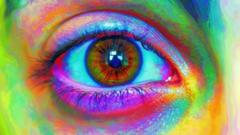
Approximately 12% of women may possess a genetic mutation that grants them the ability to perceive an extraordinary range of colors. This phenomenon is linked to a specific gene that influences color vision. While this genetic predisposition is believed to be present in a significant portion of the female population, definitively proving the exact nature of the colors they perceive presents a considerable scientific challenge. Researchers are exploring the biological mechanisms behind this enhanced color perception. Understanding this genetic variation could offer new insights into the complexities of human vision and sensory perception. The study of tetrachromacy, a condition where individuals can see more colors than the average person, is an area of ongoing scientific interest. This genetic difference may explain anecdotal reports of women describing colors that others cannot distinguish. The full implications of this enhanced color vision are still being investigated.
The potential for a genetic mutation to enable certain women to perceive a wider spectrum of colors highlights the biological diversity within human sensory systems. This phenomenon, if scientifically validated, could offer a unique lens through which to understand the subjective experience of perception and the limitations of standardized visual tests. From a systems perspective, it raises questions about how our current technological and scientific frameworks, often built on average human capabilities, might overlook or fail to account for such variations. Future research could explore the evolutionary advantages or disadvantages of such enhanced color vision and its potential impact on fields like art, design, and even scientific observation, prompting a re-evaluation of what constitutes 'normal' perception in the age of advanced genetic and neurological understanding.
AI-generated to prompt reflection — not editorial opinion, not advice, not a statement of fact. How this works.