Why the Hormuz Crisis Will Be Prolonged
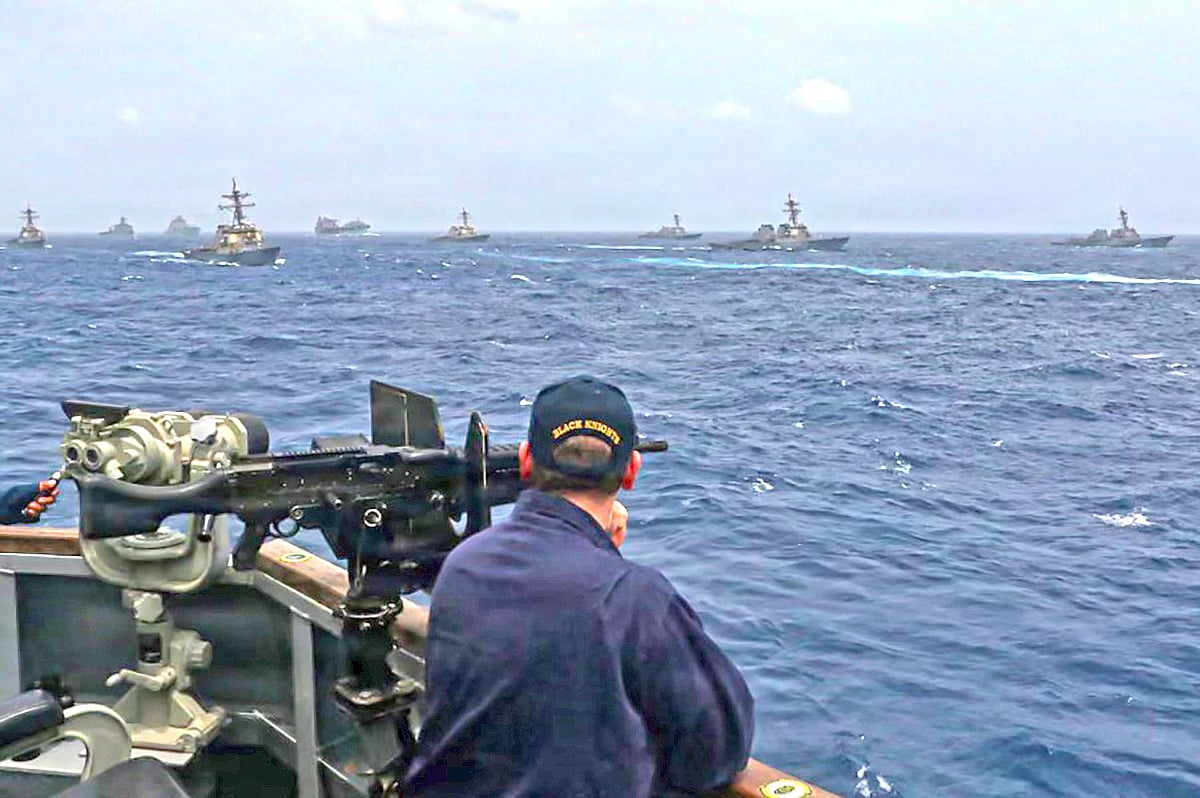
The outcome of the current conflict has surprised Washington and Tel Aviv, but experts had anticipated it. The situation in the Strait of Hormuz is expected to continue for an extended period. This prolonged crisis is attributed to a complex interplay of geopolitical factors and strategic interests. While specific details of the conflict's outcome are not provided, the assertion is that it has deviated from the expectations of key international players. The expert consensus suggests that the underlying reasons for this ongoing tension are deeply rooted and not easily resolved. This implies that the immediate future will likely see continued instability in the region. The implications of a prolonged Hormuz crisis extend beyond regional security, potentially impacting global energy markets and international trade routes. The dynamic suggests a strategic stalemate or a situation where resolution requires significant shifts in regional power balances or international diplomacy.
The prolonged nature of the Hormuz crisis, despite surprising key international actors like Washington and Tel Aviv, points to underlying strategic complexities. Expert anticipation suggests a disconnect between immediate political reactions and deeper geopolitical realities. The situation likely reflects a balance of power dynamics where no single entity can unilaterally dictate terms, leading to extended periods of tension. Future resolutions may depend on shifts in regional alliances, evolving energy security strategies, or a recalibration of international diplomatic efforts. The economic and security implications for global trade warrant careful monitoring as systemic pressures continue to shape regional stability.
AI-generated to prompt reflection — not editorial opinion, not advice, not a statement of fact. How this works.