Why the Modi Government Hopes for DMK Support on Delimitation Bill
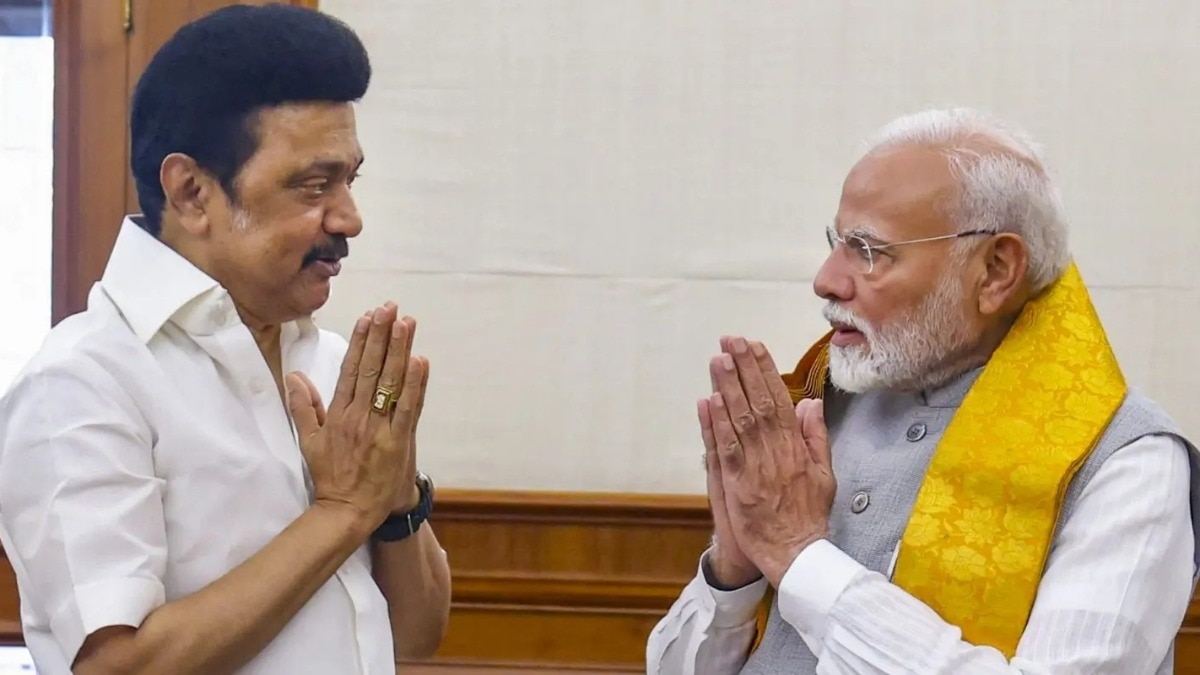
The Modi government is reportedly planning to introduce the Women's Reservation Bill and the Delimitation Bill again during the upcoming monsoon session. Passing these bills requires a two-thirds majority in Parliament. Without the support of the Dravida Munnetra Kazhagam (DMK), achieving this supermajority is considered impossible. This situation raises a significant question: will the DMK alter its long-standing stance on the delimitation process? The DMK has historically been a strong opponent of delimitation, particularly in the context of redrawing electoral constituencies. The government's reliance on the DMK's potential support highlights the complex political dynamics involved in passing such constitutionally significant legislation. The success of these bills hinges on the DMK's willingness to compromise or shift its position, a move that would have considerable implications for future electoral landscapes.
The Indian government's strategy to seek DMK support for the Delimitation Bill, despite the party's historical opposition, reflects a pragmatic approach to legislative agenda management. This situation underscores the challenges of achieving consensus on potentially contentious issues that impact regional political representation. The government's reliance on a two-thirds majority necessitates broad coalition building, even with parties holding opposing views. The DMK's decision will likely be influenced by a careful assessment of its own political interests and the potential implications of delimitation on its electoral base. This scenario highlights the ongoing tension between national legislative goals and regional political considerations within India's federal structure, particularly as the country navigates demographic shifts and evolving electoral dynamics in the coming decade.
AI-generated to prompt reflection — not editorial opinion, not advice, not a statement of fact. How this works.