Why US Roads Drain Quickly After Rain While Indian Roads Flood for Hours
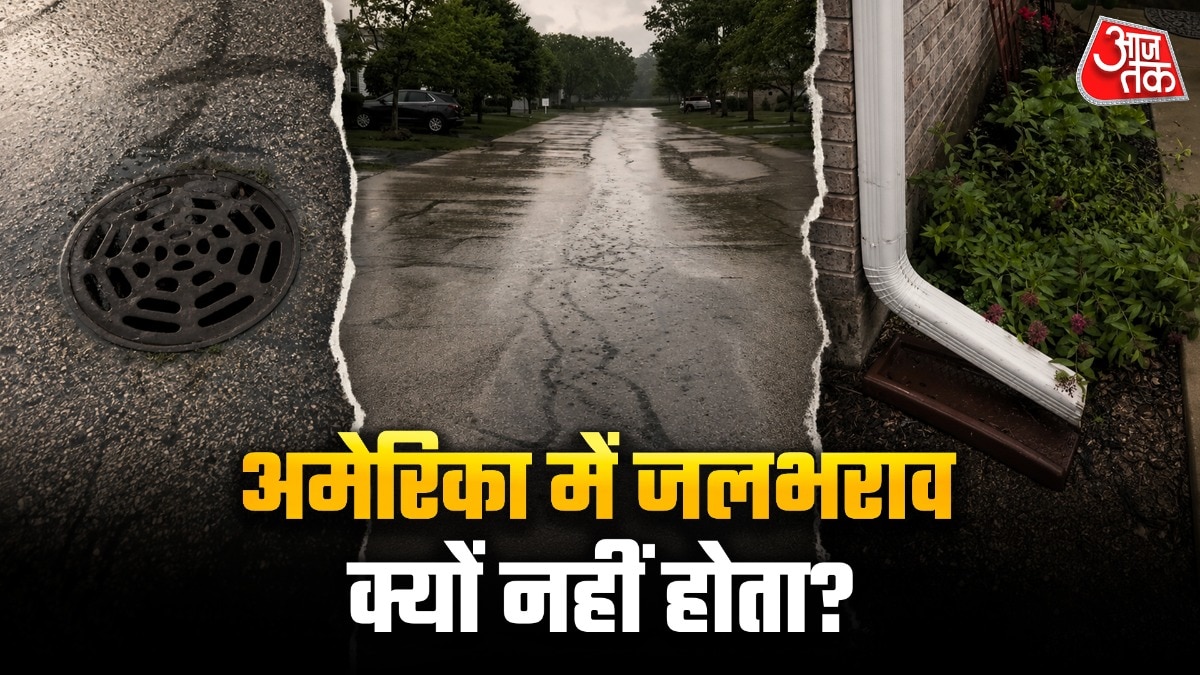
A viral video shared by an Indian woman living in Chicago explains the efficient drainage systems in the United States, contrasting them with the persistent waterlogging issues in India. The video highlights the functionality of storm drains, underground pipe networks, and the overall drainage infrastructure in American cities. Unlike many Indian urban areas where roads can remain flooded for hours after heavy rainfall, American cities like Chicago demonstrate a rapid clearing of water from their streets. This stark difference is attributed to the superior design and maintenance of the drainage systems in the US. The woman's explanation focuses on the practical workings of these systems, suggesting that the rapid drying of roads in the US is a direct result of robust engineering and planning. The video has gained significant attention for its clear illustration of how effective infrastructure can mitigate the impact of heavy rains on urban environments.
The comparison between drainage systems in the US and India highlights the critical role of urban infrastructure investment and planning in mitigating the impacts of extreme weather events. While the US system appears more robust, its effectiveness is a product of sustained public and private investment in engineering, maintenance, and regulatory oversight over decades. Conversely, rapid urbanization in India has often outpaced the development of commensurate drainage infrastructure, leading to vulnerability during monsoon seasons. Future urban planning in India must prioritize integrated water management systems, incorporating advanced storm drain technology and regular maintenance schedules to enhance resilience against flooding and minimize disruption to daily life and economic activity.
AI-generated to prompt reflection — not editorial opinion, not advice, not a statement of fact. How this works.