Why Was Diljit Dosanjh's Film 'Satluj' Removed From ZEE5?
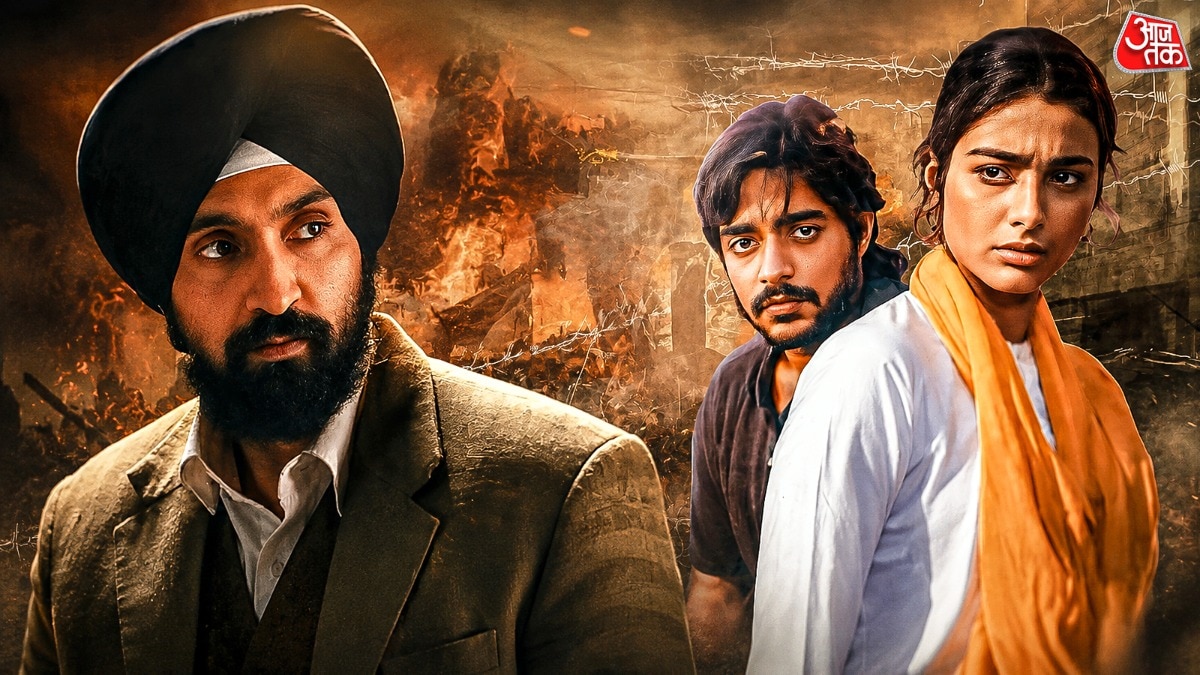
A controversy has erupted following the sudden removal of Diljit Dosanjh's film 'Satluj' from the ZEE5 streaming platform. The film reportedly touches upon sensitive themes related to the period of militancy in Punjab and police brutality. This situation draws parallels to the 1996 film 'Maachis,' directed by Gulzar, which also explored the era of Punjab insurgency and police actions. Despite 'Maachis' having a more overtly political stance than 'Satluj,' it was released in theaters without significant controversy. The comparison suggests a potential shift in sensitivities or platform policies over the past three decades regarding the portrayal of such historical events.
The removal of 'Satluj' from ZEE5, particularly in comparison to the unhindered release of the more politically charged 'Maachis' in 1996, highlights evolving dynamics in content moderation and platform risk assessment. Streaming services today operate within a complex ecosystem of audience expectations, regulatory pressures, and potential reputational damage, often leading to more cautious content curation than seen in earlier eras. This decision may reflect ZEE5's internal risk calculus concerning the depiction of historical conflicts and state actions, influenced by contemporary socio-political sensitivities and the potential for backlash. The incident prompts reflection on how past events are reinterpreted and presented in the digital age, and the criteria platforms employ to balance artistic expression with perceived societal impact.
AI-generated to prompt reflection — not editorial opinion, not advice, not a statement of fact. How this works.