Why Was Lo Gekar Monastery Considered for a One Rupee Coin?
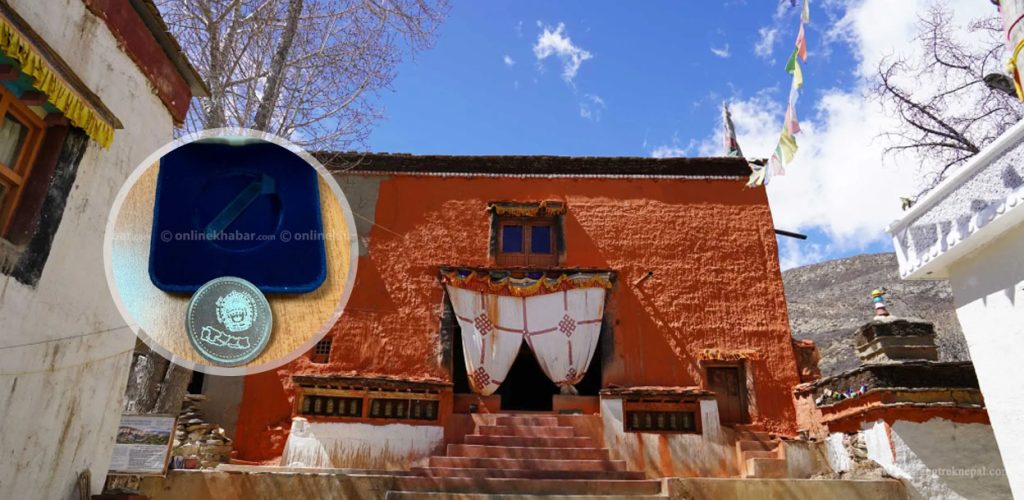
The Lo Gekar Monastery in Mustang appears to have been built by Padmasambhava even before the Samye Monastery in Tibet, which dates back approximately 1250 years. The question arises as to why this ancient monastery was considered for inclusion on a one rupee coin. This historical context suggests the monastery holds significant cultural and religious importance, potentially dating back over twelve and a half centuries. Its construction predates a major Tibetan Buddhist site, highlighting its early role in the region's spiritual landscape. Further details regarding the specific reasons for its consideration for coinage are not provided in the source text.
The consideration of the Lo Gekar Monastery for a one rupee coin, given its historical significance as potentially predating the Samye Monastery, suggests a recognition of its deep cultural and religious roots. This initiative could reflect a national effort to commemorate and legitimize historical narratives through tangible symbols. Such actions often aim to foster national identity and pride by highlighting ancient heritage. The decision-making process behind selecting specific sites for national currency involves balancing historical importance, public recognition, and potentially tourism or economic development goals. Evaluating this from a future perspective, the integration of historical sites onto currency can serve as a long-term educational tool, embedding cultural memory within everyday transactions, while also potentially influencing future heritage preservation policies.
AI-generated to prompt reflection — not editorial opinion, not advice, not a statement of fact. How this works.