Why Washington Seeks to Undermine the Hague Court
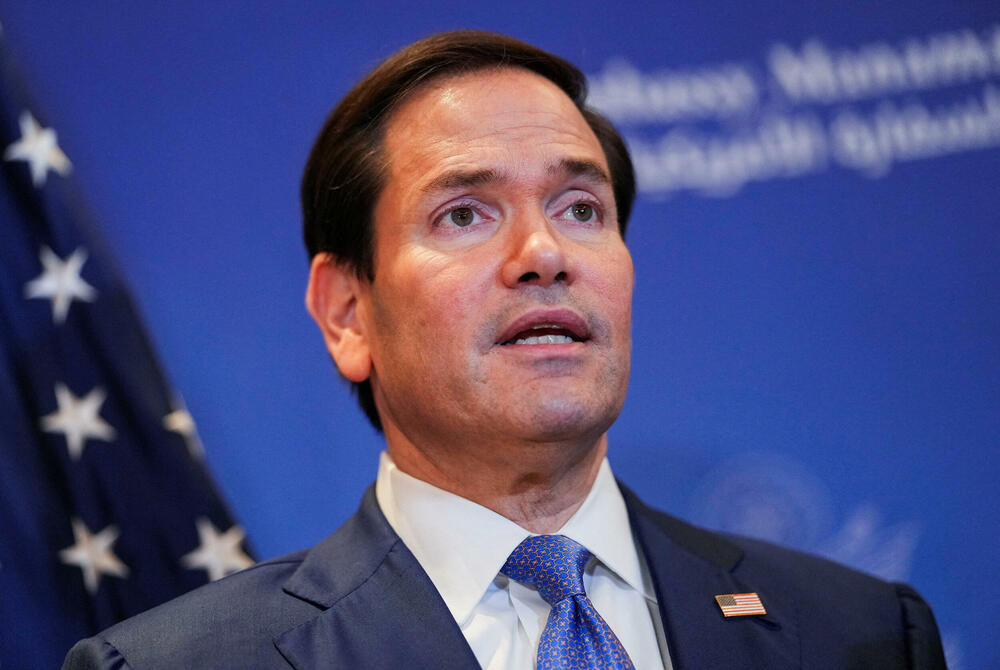
U.S. Secretary of State Marco Rubio has intensified his rhetoric against the International Criminal Court (ICC) in The Hague. This stance could have significant repercussions for the court. Deutsche Welle reports on the escalating tensions between Washington and the ICC. The exact nature of the proposed actions or the specific reasons for the U.S. government's strong opposition to the court's jurisdiction are not detailed in this brief report. However, the statement indicates a potential diplomatic or legal challenge that could impact the ICC's operations and authority on a global scale. The report suggests that the U.S. government's position is firm and potentially adversarial.
The intensified U.S. rhetoric against the International Criminal Court, as reported, suggests a divergence in perspectives on international justice and national sovereignty. This dynamic may stem from concerns over jurisdiction, potential investigations involving nationals of powerful states, or differing legal philosophies. The U.S. approach could be analyzed through the lens of state incentives to maintain autonomy versus the international community's push for accountability. Future developments will likely hinge on whether diplomatic engagement or unilateral actions prevail, potentially reshaping the landscape of international law and the ICC's future effectiveness in a multipolar world.
AI-generated to prompt reflection — not editorial opinion, not advice, not a statement of fact. How this works.