Why We Need Odysseus to Be Guilty
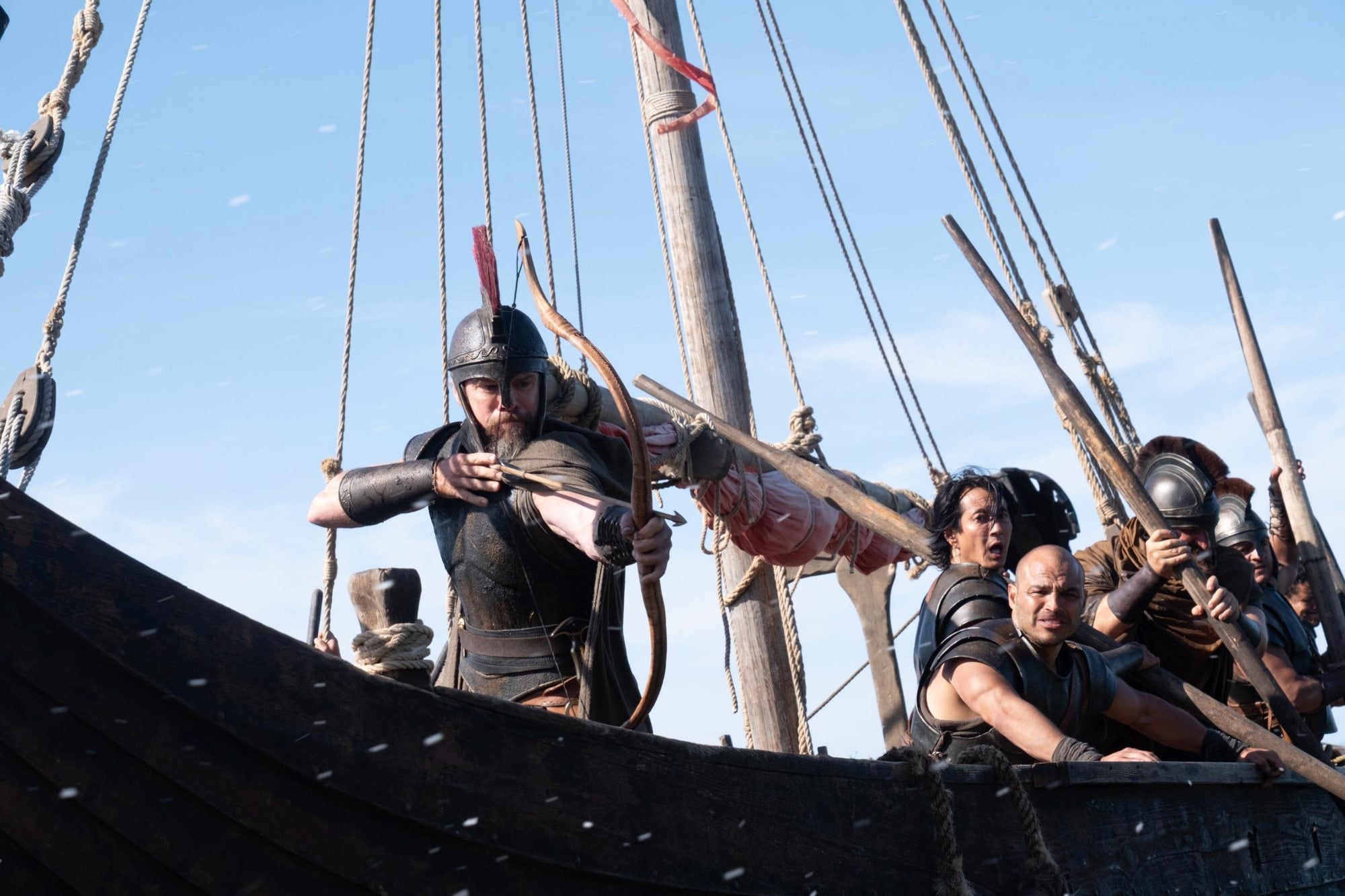
Two recent films, one by Uberto Pasolini and another by Christopher Nolan, reinterpret the return from Troy as a narrative centered on guilt. This artistic choice prompts reflection on contemporary societal values and anxieties. The films suggest a modern inclination to view heroic figures and epic journeys through a lens of moral complexity and personal failing. Instead of a straightforward homecoming, the narrative is framed by the psychological burdens and ethical questions faced by the protagonist. This shift in perspective may indicate a cultural desire to find relatable flaws even in legendary characters. It raises questions about how we process stories of triumph and adversity in the 21st century. The reimagining of Odysseus's journey as one of guilt reflects a potential societal preoccupation with accountability and the darker aspects of human nature. It invites viewers to consider the implications of such interpretations on our understanding of heroism and morality.
The artistic decision to frame Odysseus's return as a story of guilt, as seen in recent film adaptations, may reflect a contemporary cultural inclination to deconstruct heroic archetypes. This approach could stem from a societal emphasis on accountability and psychological realism, potentially seeking to make legendary figures more relatable by imbuing them with recognizable human flaws. Such reinterpretations might also signal a broader shift in narrative preferences, moving away from uncomplicated heroism towards more nuanced explorations of character and consequence. This trend could be influenced by evolving ethical frameworks and a growing awareness of the complexities inherent in leadership and decision-making, prompting audiences to question traditional notions of valor and virtue in the face of adversity.
AI-generated to prompt reflection — not editorial opinion, not advice, not a statement of fact. How this works.