Why We Struggle to Embrace Silence and Solitude
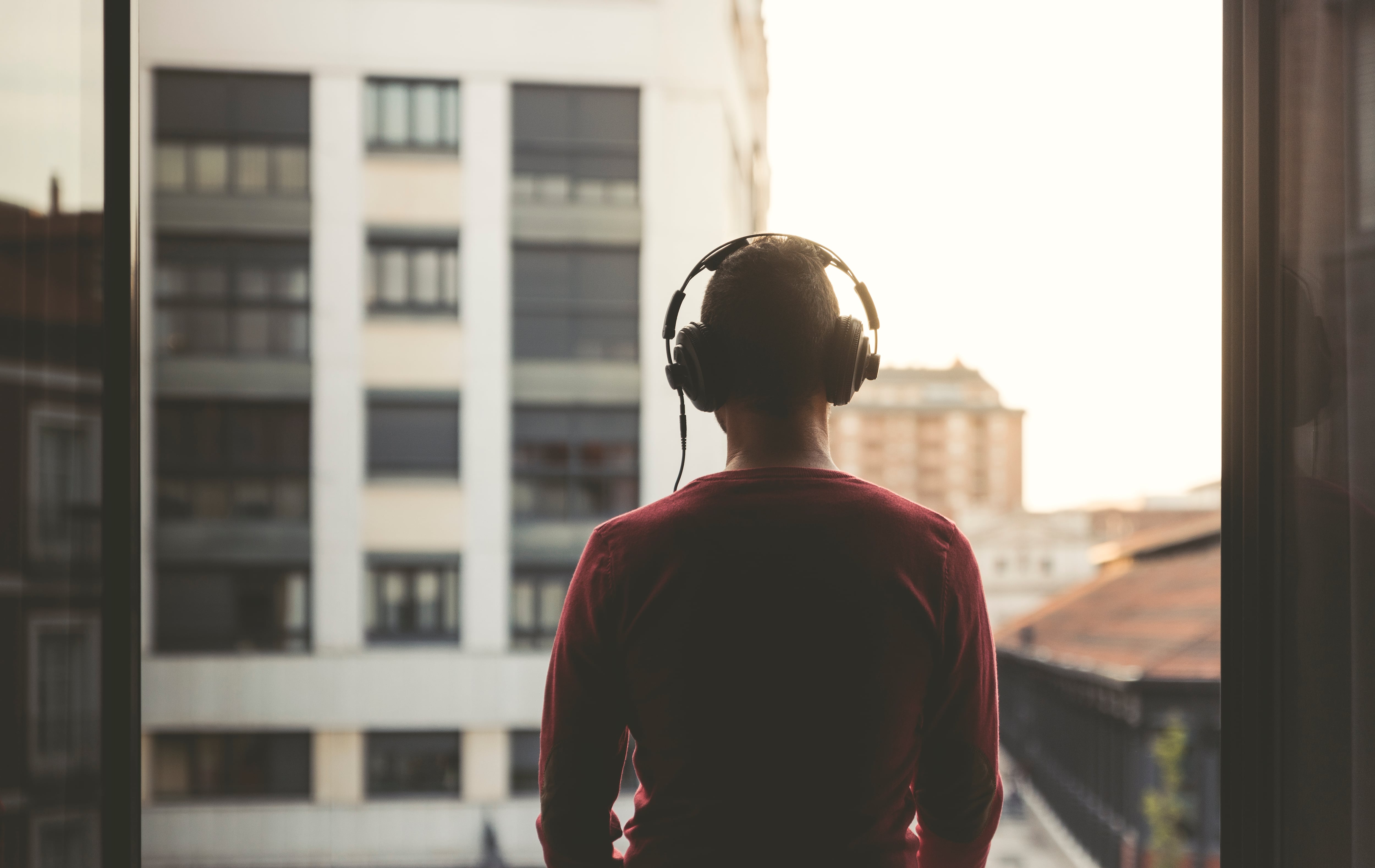
The pervasive presence of audio content, including podcasts, music, videos, and calls, has significantly reduced opportunities for silence in daily life. This constant external stimulation is making silence an increasingly rare experience. Psychologists are observing a trend where individuals actively seek external stimuli to avoid confronting internal discomfort. This reliance on audio can be seen as a coping mechanism to fill voids or mask feelings that might arise in quiet moments. The ease with which we can access audio content means that silence is no longer the default state, but rather something that requires conscious effort to achieve. This shift raises questions about our relationship with our own thoughts and the role of technology in mediating our inner experiences. The constant availability of audio distractions may be hindering our ability to engage in introspection and self-reflection.
The increasing reliance on constant audio stimulation, driven by the ubiquity of digital devices and content platforms, suggests a societal shift away from introspection. This trend highlights a potential societal aversion to internal discomfort, leading individuals to seek external validation or distraction. From a technological perspective, the design of these platforms incentivizes continuous engagement, making silence a less attractive or accessible option. Looking ahead, this pattern may impact mental well-being by reducing opportunities for self-reflection, a critical component of emotional regulation and personal growth. Understanding these dynamics is crucial for fostering a healthier balance between external engagement and internal awareness in the digital age.
AI-generated to prompt reflection — not editorial opinion, not advice, not a statement of fact. How this works.