Why Young Indians Are Angry With Mainstream Media
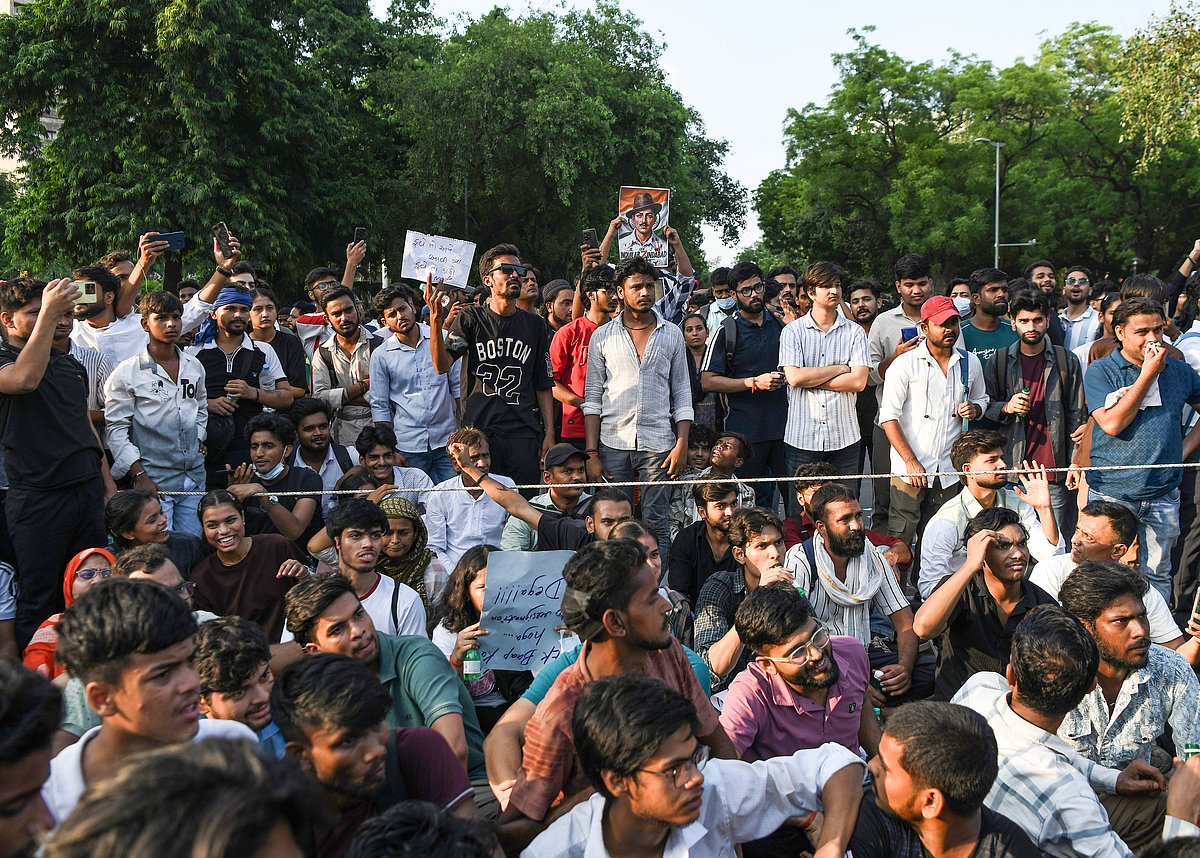
Young people in India are expressing significant dissatisfaction with the country's mainstream media, viewing it as colluding with the Modi government. This sentiment distinguishes current student movements from previous protests, as students are directly confronting what they perceive as an "unholy alliance" between the government and media outlets. The students' anger stems from a belief that the media is not fulfilling its role as an independent watchdog but is instead acting in favor of the ruling administration. This perception has led to a growing distrust among the youth towards established news sources. The movement highlights a critical disconnect between the public's expectations of journalistic integrity and the perceived reality of media operations in India. As a result, students are increasingly seeking alternative information channels and questioning the narratives presented by mainstream media. This trend suggests a potential shift in how information is consumed and trusted by the younger generation in India.
The current student protests in India highlight a growing public distrust in mainstream media, particularly concerning its perceived alignment with governmental interests. This dynamic raises questions about the media's role in a democracy, specifically its capacity to serve as an independent check on power. The situation underscores the challenge of maintaining journalistic objectivity when faced with political pressures or incentives. As younger generations increasingly access information through diverse digital platforms, traditional media outlets risk losing credibility if they are perceived as biased. This trend may necessitate a re-evaluation of media business models and editorial practices to rebuild trust and ensure a more robust public sphere.
AI-generated to prompt reflection — not editorial opinion, not advice, not a statement of fact. How this works.