Why Your Fingers Have Different Lengths: A Biological and Evolutionary Perspective
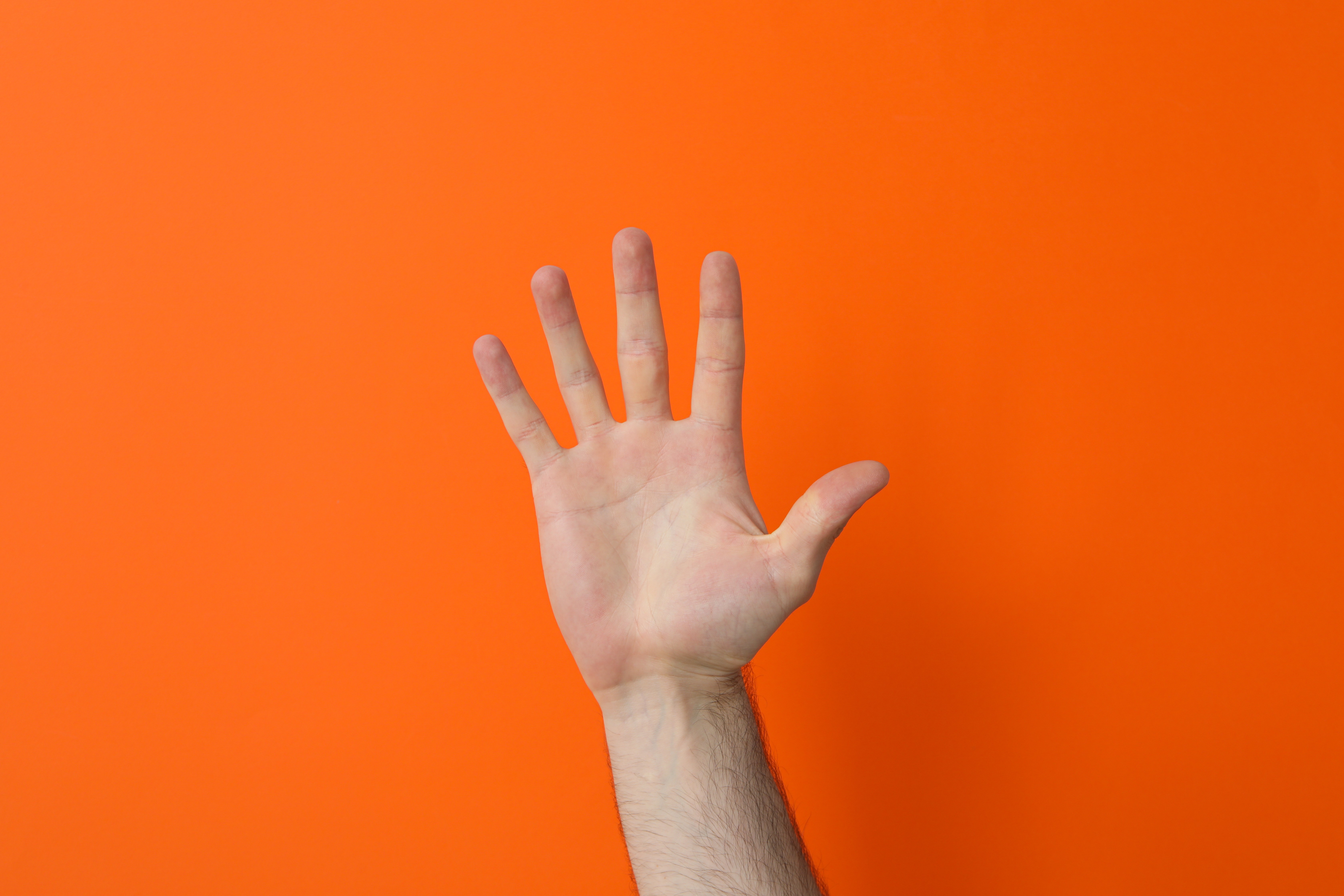
The varying lengths of human fingers are not arbitrary but serve distinct functional purposes, shaped by both evolutionary pressures and biological development. As a biological anthropologist studying human biomechanics, Steven Lautzenheiser of the University of Tennessee explains that each finger's length is optimized for specific tasks. The middle finger, often the longest, acts as a central axis for grip strength and balance, working in tandem with the ring finger to secure objects. The shorter, more flexible index finger is crucial for precise, controlled movements like pointing, typing, or writing. The smallest, the pinky finger, stabilizes the outer edge of the hand, particularly for larger items. The thumb, unique in its opposable nature and rotational ability, is vital for grasping and manipulating small objects, making countless daily tasks feasible. This intricate design reflects millions of years of human evolution, where individuals with more adept hands for gripping and manipulation were more likely to thrive. The long middle finger, shared with other primates, highlights its ancient importance in survival activities such as climbing and tool use. Beyond evolution, genetic blueprints and hormonal influences, including sex hormones like testosterone and estrogen, guide the precise development of finger length and joint structure before birth and throughout childhood. While genetics and hormones lay the foundation, environmental factors and consistent practice further refine hand dexterity and strength, leading to specialized skills like writing or playing musical instruments. Ultimately, the diverse lengths and specialized functions of our fingers represent a complex interplay of evolutionary adaptation, genetic programming, and environmental conditioning, creating a versatile tool capable of both powerful grips and delicate manipulations.
The human hand's diverse finger lengths and specialized functions represent a sophisticated evolutionary adaptation, optimizing for both power grip and fine motor control. This biological design, influenced by genetic and hormonal factors, underscores a long-standing evolutionary advantage for tasks ranging from tool use to social interaction. In the context of AI and automation, understanding the nuanced capabilities of the human hand highlights the challenges in replicating its dexterity and adaptability. Future advancements in robotics and prosthetics will likely draw inspiration from these biological principles to achieve more versatile and intuitive human-machine interfaces. The inherent trade-offs in biological systems, where specialization can sometimes limit broader adaptability, offer insights into designing AI systems that balance efficiency with flexibility.
AI-generated to prompt reflection — not editorial opinion, not advice, not a statement of fact. How this works.