Why Your Flowers Aren't Blooming: A Common Gardening Mistake
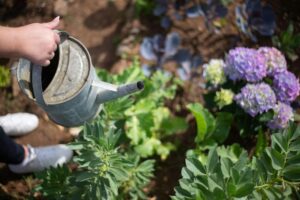
The summer season typically brings vibrant blooms to gardens, with many plants reaching their peak flowering period. However, gardeners aiming for continuous blossoms throughout the season must pay close attention to the proper care and maintenance of their plants. Neglecting these aspects can lead to a disappointing lack of new flowers for the entire summer. A single, simple, yet frequently made error is often the culprit behind this issue. This common mistake can significantly hinder a plant's ability to produce flowers. Addressing this oversight is crucial for achieving a lush and colorful garden display. Proper plant care involves understanding the specific needs of each species. Factors such as sunlight, water, soil, and nutrients all play a vital role. Without the correct approach, even the most promising plants may fail to thrive and bloom as expected. Identifying and correcting this prevalent gardening error can unlock the full potential of your garden.
The article highlights a common gardening challenge: the failure of flowers to bloom, attributing it to a frequent mistake in plant care. This points to a broader theme of the disconnect between human intention and natural processes, often exacerbated by a lack of specialized knowledge. In an era where many seek to connect with nature through gardening, understanding the precise biological and environmental requirements of plants is paramount. Overlooking these fundamental needs, even with the best intentions, can lead to suboptimal outcomes. As horticultural practices evolve with technological advancements, there's an opportunity to bridge this knowledge gap, ensuring that efforts to cultivate beauty align with the plant's inherent life cycles and environmental needs. Future gardening may involve more data-driven insights into plant health, moving beyond generalized advice to personalized care strategies.
AI-generated to prompt reflection — not editorial opinion, not advice, not a statement of fact. How this works.