Why Your Recent Pay Raise May Not Feel Like a Raise Amidst Inflation
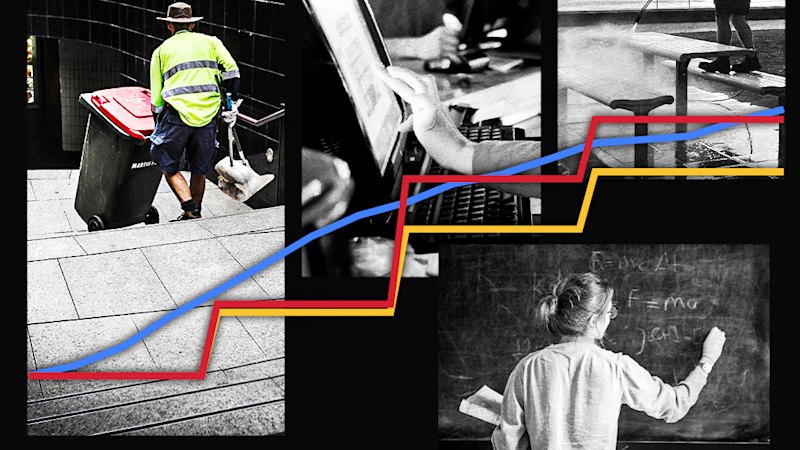
Many Australians are experiencing a disconnect between their recent salary increases and the actual purchasing power of their income. Persistent inflationary pressures have eroded the value of wages, making it difficult for salaries to keep pace with the rising cost of essential goods and services. This situation is creating a widespread feeling that pay raises are not translating into improved financial well-being.
Economists and financial commentators suggest that the current economic climate offers little immediate relief. The ongoing high inflation means that even a nominal increase in salary may result in a real decrease in disposable income. This trend is impacting household budgets across the country, forcing many to re-evaluate their spending habits and financial priorities. The outlook for significant salary growth that outpaces inflation in the near future remains uncertain, leaving many concerned about their long-term financial stability.
The current economic environment highlights a critical challenge in wage-price dynamics. When inflation outpaces nominal wage growth, the real income of individuals diminishes, impacting consumer confidence and spending. This disconnect can create societal friction and economic instability, as households struggle to maintain their standard of living. Policymakers and employers face the complex task of balancing economic growth with wage adjustments that genuinely reflect the cost of living, particularly in an era of evolving labor market structures and technological advancements. Future economic models will need to more effectively address the equitable distribution of productivity gains and the resilience of household purchasing power against inflationary shocks.
AI-generated to prompt reflection — not editorial opinion, not advice, not a statement of fact. How this works.