Why Your Salary Buys Less Despite Raises: The Lifestyle Inflation Trap
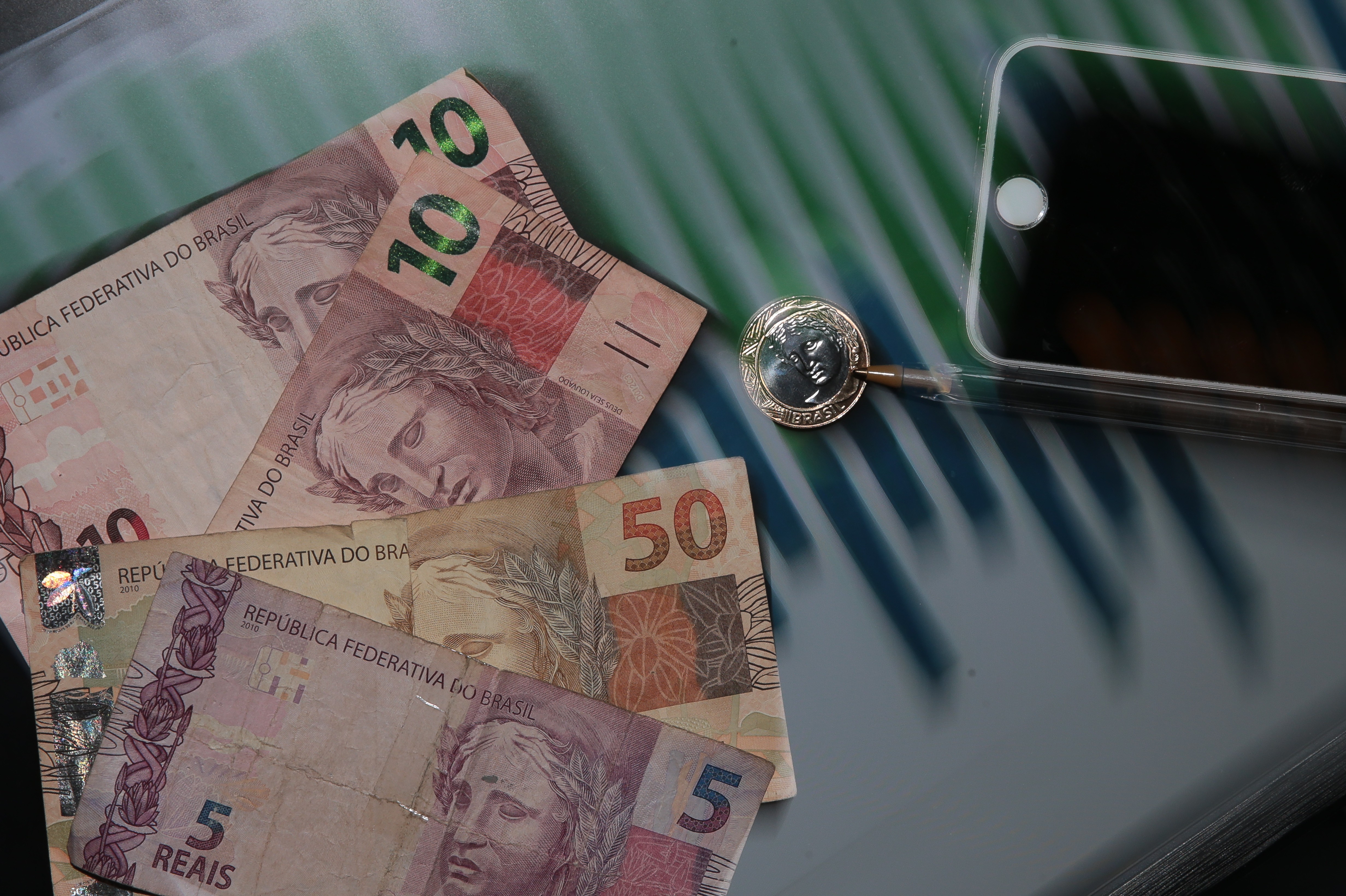
Many Brazilians are experiencing a decline in purchasing power, even when their salaries increase. This phenomenon occurs because essential expenses such as food, health insurance, education, and various services have risen at a faster rate than wages. Concurrently, household budgets have expanded to accommodate new costs like internet access, streaming subscriptions, and app services. A significant factor contributing to this squeeze is the "lifestyle inflation" effect, where increased income often leads to a higher consumption pattern, making it harder to save. Furthermore, the increased availability of credit, while seemingly beneficial, reduces disposable income as loan installments and financing commitments consume a portion of the budget. Economists note that this situation disproportionately affects the middle class, whose expenditures are often less flexible and more challenging to reduce. This complex interplay of rising costs and evolving spending habits means that salary increases do not always translate into improved financial well-being.
The described economic scenario highlights a common challenge where nominal income growth outpaced by inflation and evolving consumer behaviors leads to a perceived decrease in real purchasing power. This situation is often exacerbated by the "lifestyle inflation" effect, where increased income is channeled into higher discretionary spending rather than savings or debt reduction. For middle-income households, whose expenses are often less elastic, this creates a persistent financial strain. Understanding the interplay between inflation, credit expansion, and consumer psychology is crucial for effective personal finance management and for policymakers aiming to ensure that economic growth translates into tangible improvements in living standards for all segments of the population.
AI-generated to prompt reflection — not editorial opinion, not advice, not a statement of fact. How this works.