Widening Rift Between Maximos Mansion and Antonis Samaras
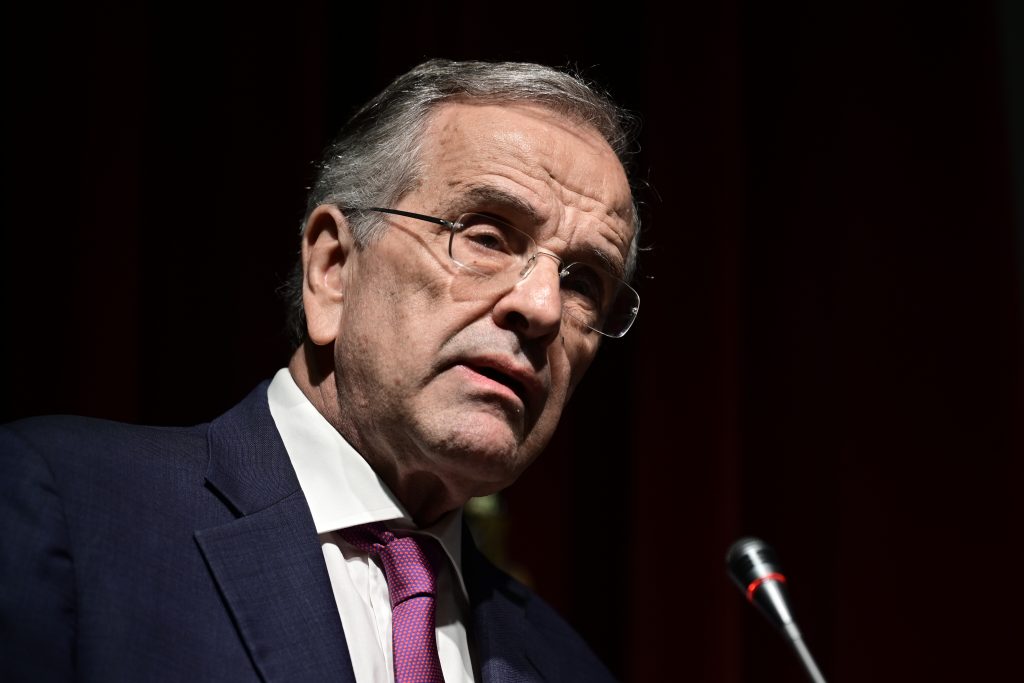
Government spokesperson Pavlos Marinakis reiterated his stance on former Prime Minister Antonis Samaras's legal action concerning wiretapping, adopting a dismissive tone. Marinakis stated that Samaras's current stance on the wiretapping issue is "amusing," implying that the legal move is motivated by political reasons. This exchange highlights a growing divide between the current administration, represented by the Maximos Mansion (the Prime Minister's office), and Samaras. The controversy stems from Samaras's decision to appeal to the judiciary regarding alleged illegal wiretapping activities. The specific details of the appeals and the authorities involved were not fully elaborated in the provided text, but the government's spokesperson has publicly questioned the timing and motivations behind Samaras's legal recourse. The situation suggests ongoing political friction and differing perspectives on accountability and the handling of sensitive national security matters.
The public disagreement between government spokesperson Pavlos Marinakis and former Prime Minister Antonis Samaras over legal recourse concerning wiretapping reveals underlying tensions in Greek political discourse. Marinakis's characterization of Samaras's actions as "amusing" and politically motivated suggests a strategy to delegitimize opposition or dissent by framing it as opportunistic rather than principled. This approach, while potentially effective in short-term political messaging, risks escalating divisions and eroding public trust in institutional processes. The situation prompts reflection on the balance between political maneuvering and transparent governance, particularly when addressing matters of national security and individual privacy. Future administrations may need to develop more robust frameworks for handling such allegations to ensure accountability and maintain public confidence, especially in an era of increasing technological surveillance capabilities.
AI-generated to prompt reflection — not editorial opinion, not advice, not a statement of fact. How this works.