Widow of July Uprising Martyr Pleads for Preservation of His Grave
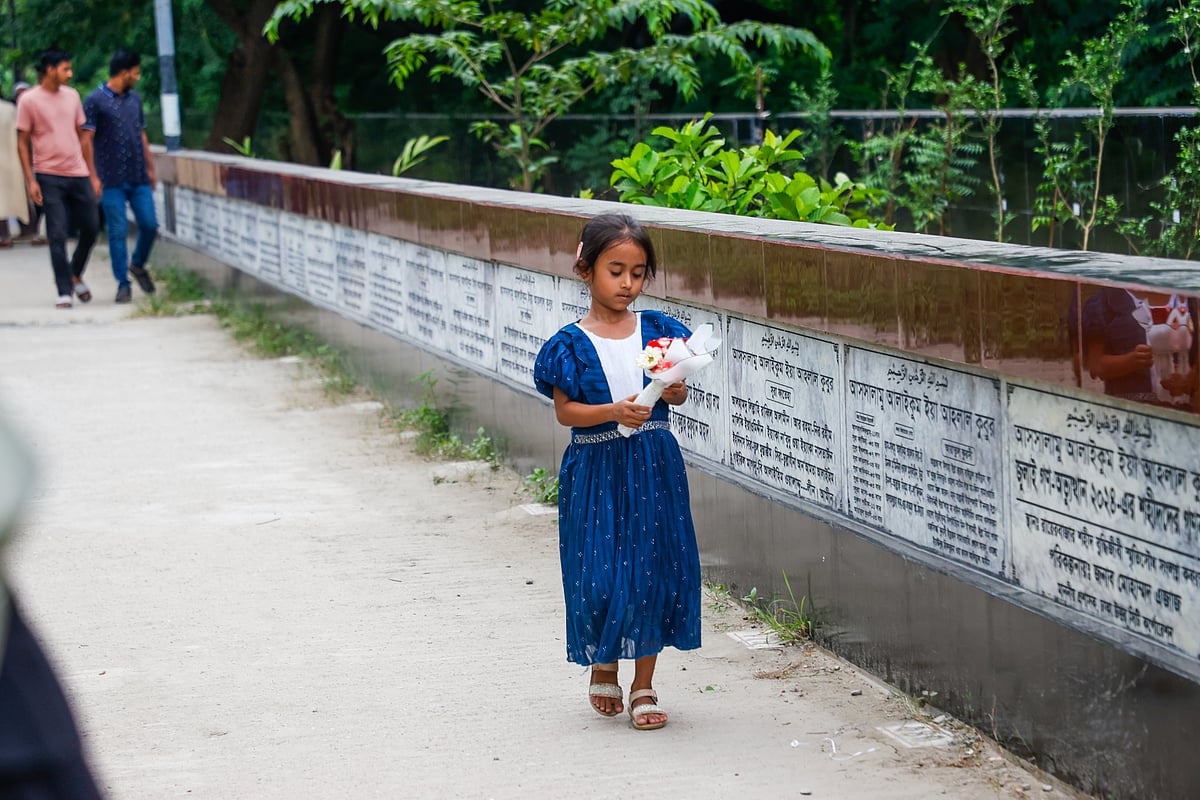
Farzana Akter, widow of Mo. Asadullah, a martyr of the July Uprising, tearfully appealed for the preservation of her husband's grave so their daughter can see it when she grows up. Asadullah, a 31-year-old driver, was shot and killed on July 19, 2024, in Uttara, Dhaka. His body was buried as unclaimed by Anjuman Mofidul Islam on July 24 at the Rayerbazar Intellectuals' Graveyard. Farzana expressed her grief that her husband's dying wish to be buried near home was not fulfilled and that his grave, identified six months ago, is now being damaged by rain. She criticized the neglect of graves of unclaimed martyrs, urging the government to ensure their permanent preservation. The plea was made during a prayer and memorial service organized by 'Martyr Families and July Fighters' on the second anniversary of the July Uprising. The event, held at the mass grave of July martyrs, was attended by relatives of unclaimed martyrs and those injured during the uprising. Another mother, Rasheda Begum, whose son Sohel Rana died in the protests, demanded justice for his killing, lamenting that she couldn't see him one last time and that his grave is also deteriorating. She expressed a strong desire to see her son's killers brought to justice before she dies. The sister of Rofiqul Islam, another martyr, shared her sorrow over losing her beloved brother. Speakers at the event, including Musa'ddiq Ali Ibne Mohammad, emphasized that current leaders owe their positions to the sacrifices of martyrs, yet their graves are neglected. They warned that failing to honor martyrs could discourage future public action in times of crisis. The attendees collectively demanded the preservation of martyrs' graves, ensuring their dignity, and swift justice for the killings.
The event highlights a recurring tension between state commemoration of past sacrifices and the practical, ongoing needs of grieving families. The neglect of martyrs' graves, particularly those buried as unclaimed, suggests systemic underfunding or a lack of clear administrative responsibility for long-term memorial maintenance. This situation raises questions about the sustainability of public remembrance efforts and the equitable treatment of all those who participated in significant historical events. As societies evolve and new challenges emerge, the mechanisms for honoring past struggles must adapt to ensure they provide genuine solace and historical continuity, rather than becoming symbols of bureaucratic indifference. The families' appeals underscore the deep human need for tangible connections to lost loved ones and the potential for public memory to falter if not actively and respectfully managed.
AI-generated to prompt reflection — not editorial opinion, not advice, not a statement of fact. How this works.