Wife Arrested for Allegedly Orchestrating Husband's Murder Over Suspected Infidelity
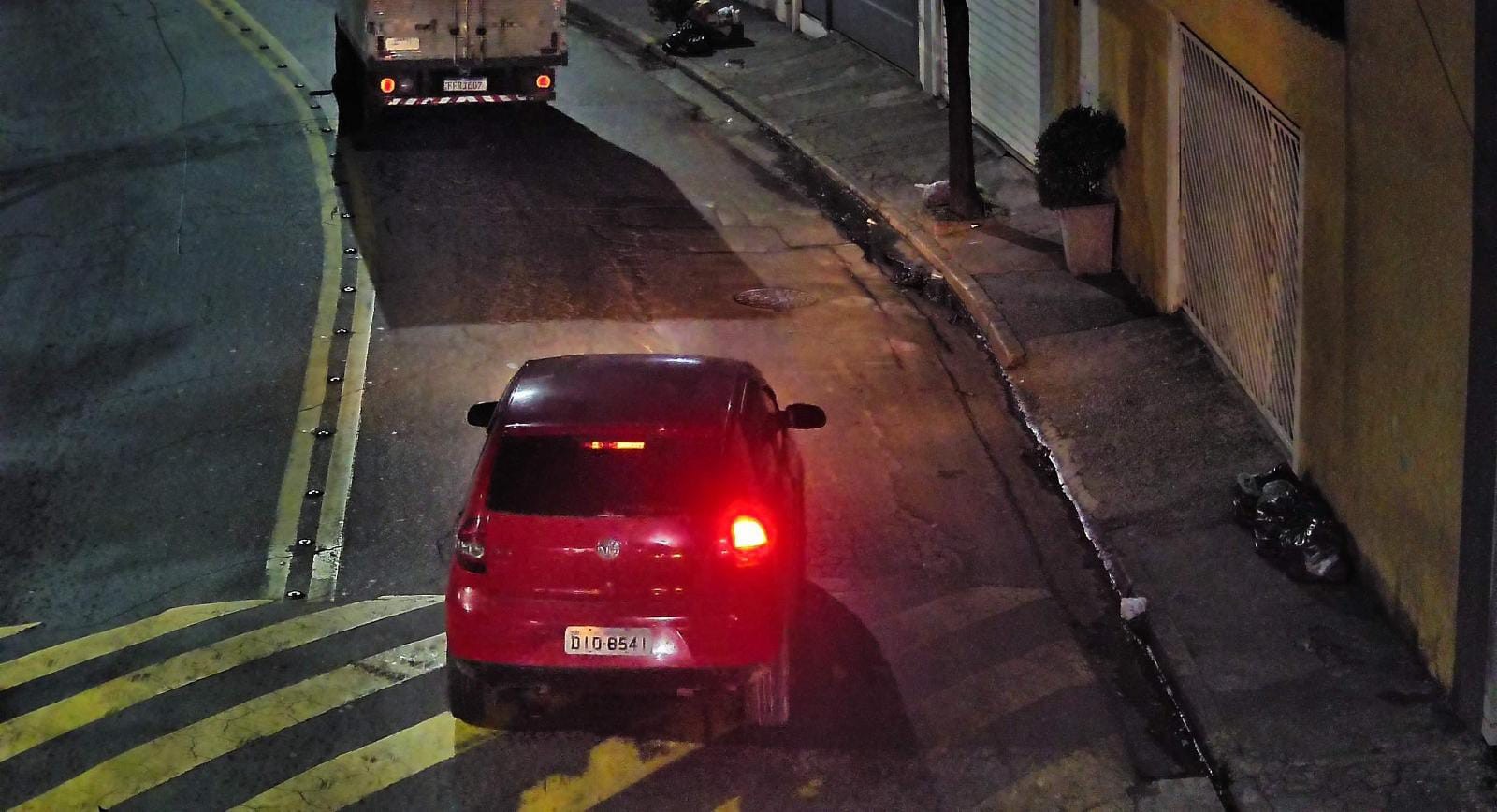
Police in Taboão da Serra, São Paulo, have arrested Roselane da Silva on suspicion of ordering the murder of her husband, Alexandre Batista de Souza. Investigators believe Silva hired two men to "scare" her husband after suspecting him of infidelity, but the plan resulted in his death by gunfire on Monday, October 27th. The victim was shot on Benedito Procópio Street. The 1st Police District of Taboão da Serra is handling the investigation. Sources close to the investigation revealed that Silva allegedly paid R$1,000 for the men to confront her husband, instructing them to steal his phone and money. One of the arrested men is reportedly a childhood friend of Silva, recruited by her to carry out the plan. Throughout the day of his murder, Souza, a truck delivery driver, maintained contact with his wife, who allegedly relayed his real-time location and movements to the perpetrators. As Souza was heading home from work, a red Ford Fox vehicle began following him. Upon reaching his street, one of the assailants exited the car, announced a robbery, and fired five shots, killing Souza at the scene. Security camera footage was crucial in solving the case, with investigators identifying the crime vehicle's altered license plate. This led to the arrest of the vehicle's owner and driver, who confessed to participating in the murder and identified Silva as the mastermind. Silva also confessed her involvement during police questioning. Authorities are now searching for a second suspect believed to be involved in the execution and gathering further evidence to conclude the inquiry.
This case highlights the complex interplay of personal relationships, financial incentives, and criminal execution. The alleged motive of suspected infidelity, coupled with a payment of R$1,000, suggests a potentially impulsive decision driven by emotional distress, yet executed through a planned criminal act. The use of real-time location tracking and the involvement of a childhood friend indicate a degree of premeditation and trust placed in accomplices. The reliance on security footage and the identification of an altered license plate underscore the increasing role of technology in both facilitating and solving crimes. Future investigations and legal proceedings will likely focus on the precise roles of each individual, the extent of Silva's direct involvement in the planning and execution, and the potential for mitigating circumstances related to the alleged infidelity. This event also raises questions about the societal pressures and emotional vulnerabilities that can lead individuals to engage in such extreme actions.
AI-generated to prompt reflection — not editorial opinion, not advice, not a statement of fact. How this works.