Wife laments husband's death after prolonged ambulance wait in Catalão
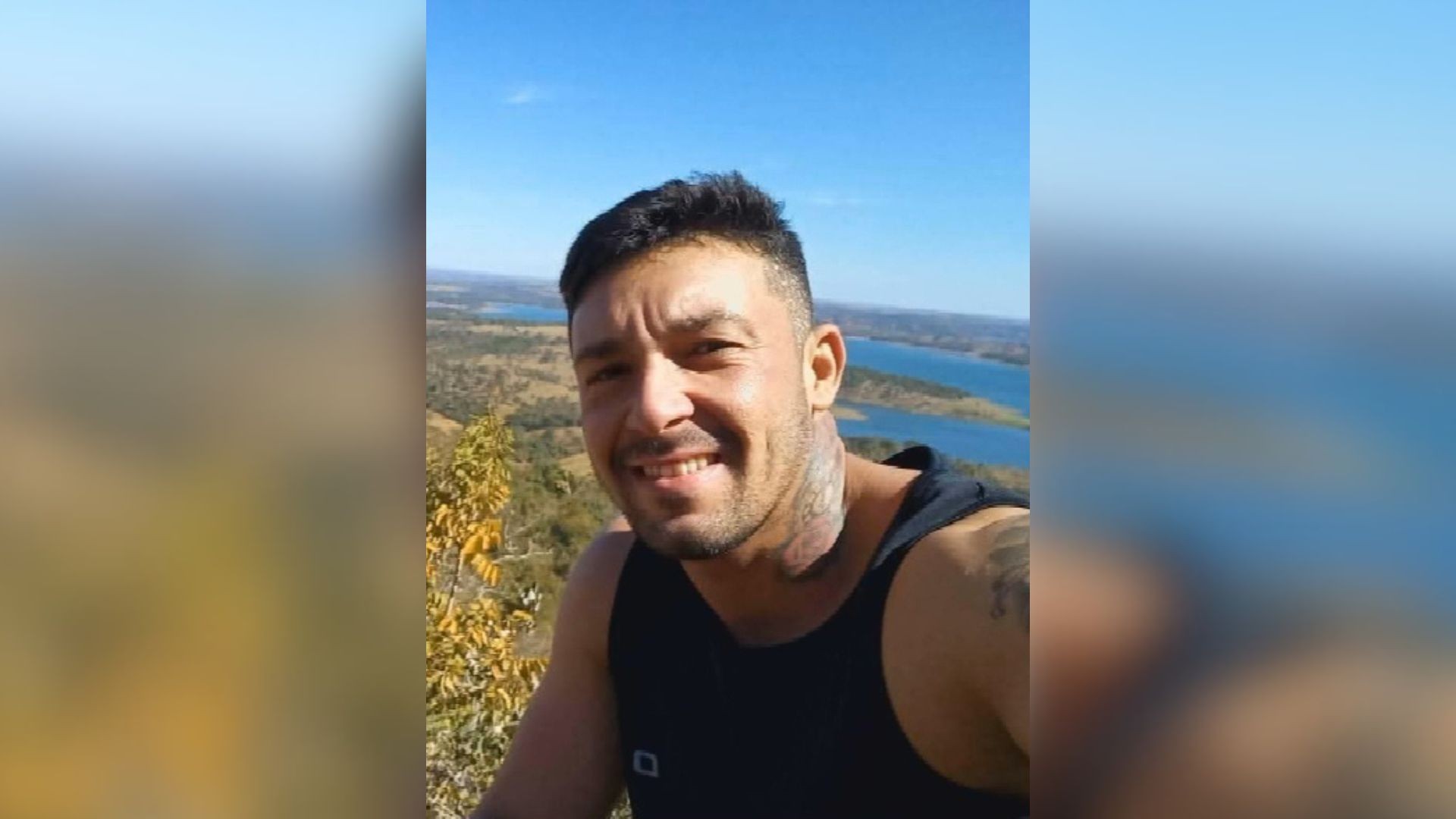
Rafael Vinicius Silva de Souza, a 35-year-old man, died in Catalão, Goiás, after waiting over two hours for an ambulance. His wife, Keila Silva, 48, expressed profound grief and anger, highlighting that her husband, who was always helpful to others, did not receive assistance when he desperately needed it. Keila, an nurse, returned home from work on July 20th to find her husband missing and was later informed of the events by a neighbor. Security camera footage showed Rafael walking slowly, calling for help, and knocking on doors in his neighborhood. Despite multiple requests for assistance from residents to the Fire Department, the ambulance arrived two hours later. Keila recalled instances where Rafael selflessly helped others, including transporting an elderly man who suffered a heart attack in church to the hospital. The loss is particularly difficult for their 5-year-old daughter, who constantly asks for her father. Keila, along with Rafael's family, is seeking a thorough investigation into the circumstances of his death. The Public Prosecutor's Office of Goiás has initiated a procedure to investigate the facts, requesting information from both the Fire Department and the Samu (Mobile Emergency Care Service) of Catalão.
This incident highlights critical systemic failures in emergency medical response, particularly concerning the accessibility and responsiveness of ambulance services in Catalão. The prolonged wait time, despite resident appeals, suggests potential issues with resource allocation, dispatch protocols, or staffing levels within the local emergency services. The wife's testimony underscores the profound human impact of these systemic shortcomings, contrasting the victim's lifelong altruism with the perceived indifference during his final moments. An investigation by the Public Prosecutor's Office is crucial to identify bottlenecks in the emergency response chain and to implement corrective measures. Future considerations should include technological enhancements for real-time monitoring of emergency calls and ambulance deployment, alongside community-based first-responder training to bridge critical time gaps. The case also prompts reflection on societal expectations of mutual aid versus the formal responsibilities of public services in critical care situations.
AI-generated to prompt reflection — not editorial opinion, not advice, not a statement of fact. How this works.