Wife's Dower Rights Protected in Cases of Husband's Misconduct, Rules Lahore High Court
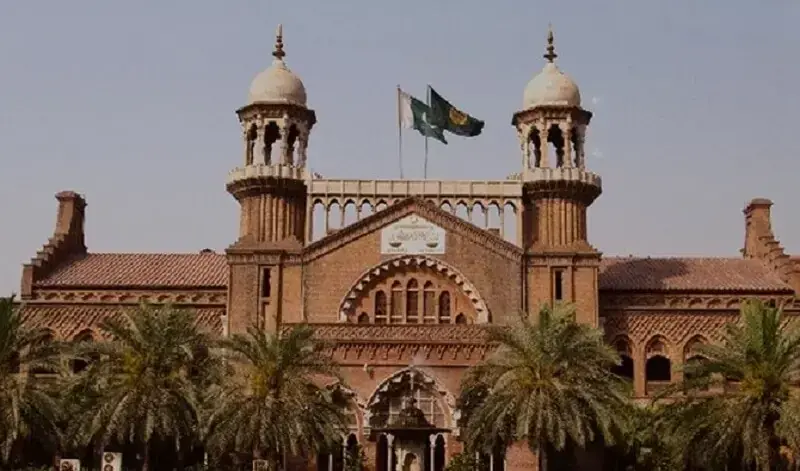
The Lahore High Court (LHC) has ruled that a wife's right to her dower (Haq Mehr) is protected even when a marriage is dissolved due to the husband's cruelty or misconduct, irrespective of whether the family court labels the decree as 'Khula'. Justice Mohsin Akhtar Kayani dismissed a husband's appeal against a family court's decision to award 50% of the deferred dower to his former wife. The ruling aims to prevent the automatic forfeiture of dower in marital dissolution cases. The case involved a couple married on March 18, 2022, with a deferred dower of Rs100,000. The wife had initiated divorce proceedings alleging physical and verbal abuse by her husband, who she claimed was unemployed, involved in theft and intoxication, and had forcibly expelled her from their home after she requested her dower payment. A senior civil judge had awarded the wife 50% of the deferred dower. The husband contested this, citing a Federal Shariat Court decision that invalidated certain sections of the Family Courts Act. However, Justice Kayani clarified the distinction between a divorce based on a wife's personal aversion and one stemming from the husband's proven misconduct. He emphasized that under the Dissolution of Muslim Marriages Act, 1939, a wife proving grounds like abuse does not forfeit her dower. The judge noted that family courts should not convert cruelty-based suits into simple Khula decrees without the wife's consent and that unpaid deferred dower constitutes a debt that cannot be erased under the guise of Khula. The court highlighted that the right to dissolve a marriage and the right to dower are distinct, requiring separate findings. The judgment noted that confusion arose after the Federal Shariat Court struck down parts of Section 10 of the Family Courts Act without replacement, leading to widespread denial of dower rights. Justice Kayani recommended new legislation to explicitly protect dower rights in dissolution cases, mirroring provisions in the Dissolution of Muslim Marriages Act, 1939. Copies of the judgment were directed to be sent to the Punjab Law and Parliamentary Affairs Department and the Law and Justice Commission of Pakistan for legislative action.
This Lahore High Court ruling addresses systemic issues in family law concerning marital dissolution and financial rights. By clarifying that a husband's proven misconduct, rather than a simple claim of 'Khula' (wife-initiated divorce), dictates dower entitlement, the court seeks to rebalance power dynamics. The analysis highlights a legislative gap created by the Federal Shariat Court's decision, which inadvertently led to the broad denial of dower rights. The judgment emphasizes dower as a proprietary right, not a discretionary award, and calls for legislative clarity to ensure fair outcomes. This ruling could influence future interpretations of marital financial obligations, particularly in cases involving abuse or abandonment, and prompts consideration of how legal frameworks can proactively protect vulnerable parties against unforeseen consequences of judicial or legislative changes.
AI-generated to prompt reflection — not editorial opinion, not advice, not a statement of fact. How this works.