Wife's Persistent Biting Stimulates Husband's Recovery from Vegetative State
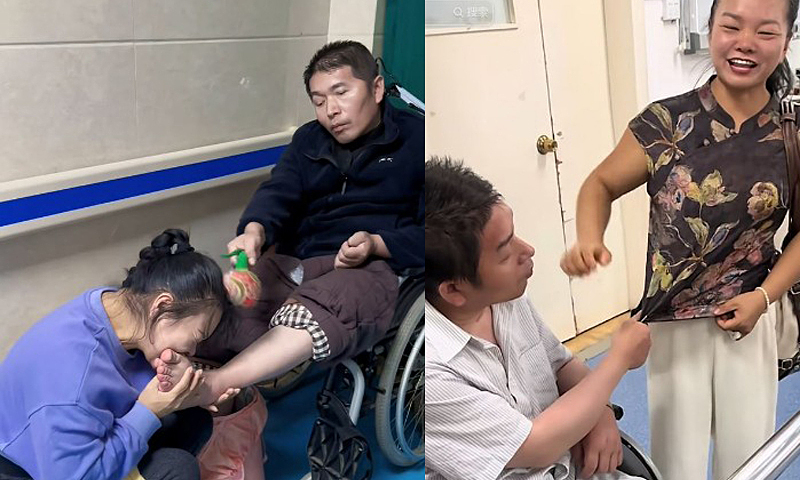
A man in Ha Nam province, Vietnam, who was in a vegetative state, has shown remarkable signs of recovery, including the ability to utter loving words and take his first independent steps. This progress is attributed to his wife's seven-year-long dedication to stimulating his tactile senses by biting his leg. Her consistent efforts have reportedly reawakened his will to live and facilitated his physical rehabilitation. The wife's unique method, though unconventional, has yielded significant positive results, offering hope for further recovery. This case highlights the profound impact of persistent caregiving and the potential for unexpected methods in patient rehabilitation.
This case presents a powerful example of persistent, unconventional caregiving leading to a patient's partial recovery from a vegetative state. The wife's method, while unusual, demonstrates a deep commitment to stimulating sensory input, which is crucial for neurological engagement. From a systems perspective, this highlights the limitations of standard medical protocols in some chronic neurological conditions and the potential for patient-led or caregiver-driven interventions. The long-term success of such methods warrants further investigation into the specific neurological mechanisms involved and their broader applicability in rehabilitation, considering ethical and efficacy frameworks. This situation prompts reflection on how human connection and determined effort can influence biological recovery pathways, even when conventional treatments reach their limits.
AI-generated to prompt reflection — not editorial opinion, not advice, not a statement of fact. How this works.