Wild Boar Population Boom Expected, Causing $1.6 Billion in Annual Losses
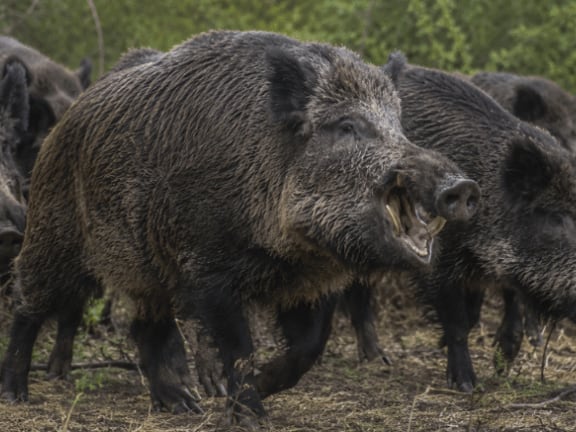
Experts have warned of an explosive growth in the wild boar population, which is already causing an estimated $1.6 billion in annual losses. The expanding presence of these animals is damaging crops and infrastructure, transmitting diseases to livestock, and posing a risk to human safety. Specialists are calling for a coordinated strategy between national and provincial governments to curb their proliferation. The current situation highlights the significant ecological and economic impact of invasive species when not effectively managed. The unchecked growth suggests a failure in existing control measures and a need for more robust, integrated management plans. Without intervention, the problem is projected to worsen, leading to increased agricultural damage and potential public health concerns. The call for unified action underscores the transboundary nature of the issue and the necessity of a comprehensive approach.
The escalating wild boar population presents a complex challenge involving ecological disruption, agricultural economics, and public health. The significant annual losses of $1.6 billion indicate that current management strategies are insufficient to mitigate the impact of this invasive species. The call for coordinated action between national and provincial authorities suggests a governance gap, where fragmented responsibilities hinder effective control. This situation may reflect broader issues with invasive species management, where proactive, data-driven policies are often outpaced by the rapid adaptability of certain wildlife. Looking ahead, the integration of advanced monitoring technologies and adaptive management frameworks will be crucial. Future strategies must balance ecological control with economic sustainability and public safety, potentially exploring innovative solutions like precision culling or habitat modification, while considering the long-term implications for biodiversity and agricultural resilience in the face of climate change.
AI-generated to prompt reflection — not editorial opinion, not advice, not a statement of fact. How this works.