Wild Deer Population Surge Pushes Them Towards Farms and Urban Areas, Hunters Observe
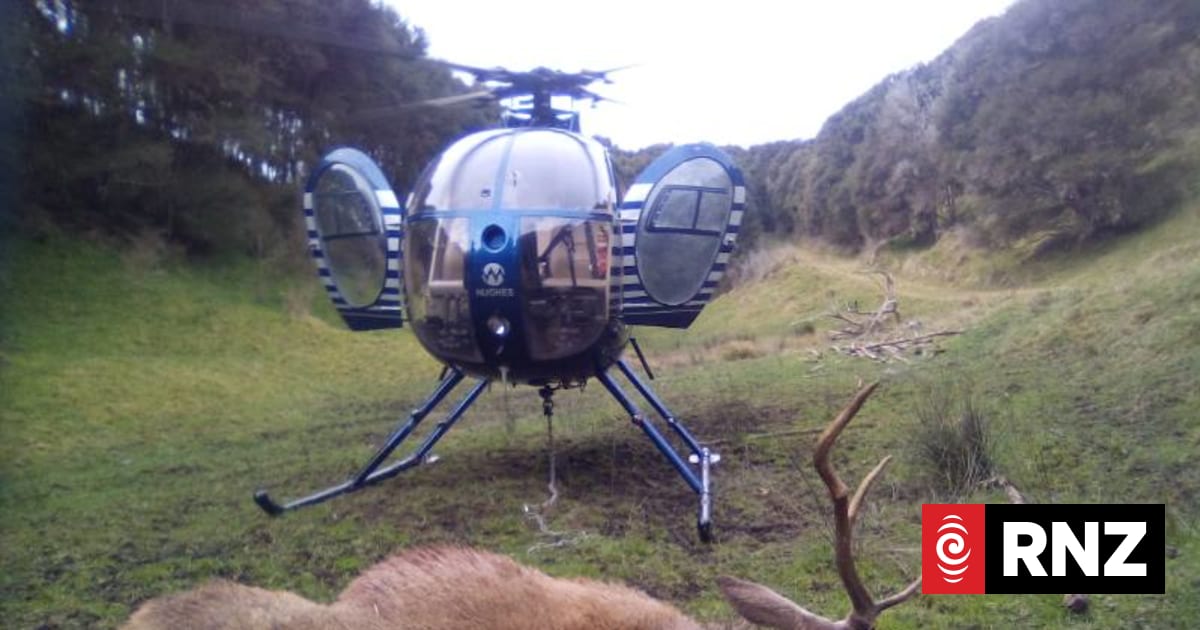
Hunters are reporting a significant increase in wild deer populations, noting that large groups of up to fifty or sixty deer are now being seen in areas where they were previously absent during daylight hours. This surge has led to a noticeable encroachment of deer onto farmland and a closer proximity to urban environments. The phenomenon suggests a shift in the deer's natural habitat or behavior, potentially driven by factors such as resource availability or a reduction in natural predators. Farmers are likely to face increased challenges with crop damage and potential impacts on livestock. The observation by hunters, who are often keenly aware of wildlife movements, highlights a growing ecological concern that warrants further investigation into population dynamics and management strategies. This trend could have long-term implications for land use and biodiversity in affected regions.
The observed increase in wild deer populations and their movement towards agricultural and urban areas suggests a potential imbalance in the local ecosystem. This could stem from factors such as habitat loss, changes in predator-prey dynamics, or even climate-related shifts affecting food sources. From a land management perspective, this presents a growing challenge for farmers concerned about crop damage and potential disease transmission. The situation highlights the complex interplay between wildlife, human land use, and environmental changes, necessitating a proactive approach to wildlife management that balances ecological health with agricultural and community needs. Future strategies may need to consider sustainable population control methods, habitat restoration, and enhanced human-wildlife conflict mitigation.
AI-generated to prompt reflection — not editorial opinion, not advice, not a statement of fact. How this works.