Wild Elephant Kills Daughter-in-Law and Grandchild 14 Years After Killing Parents
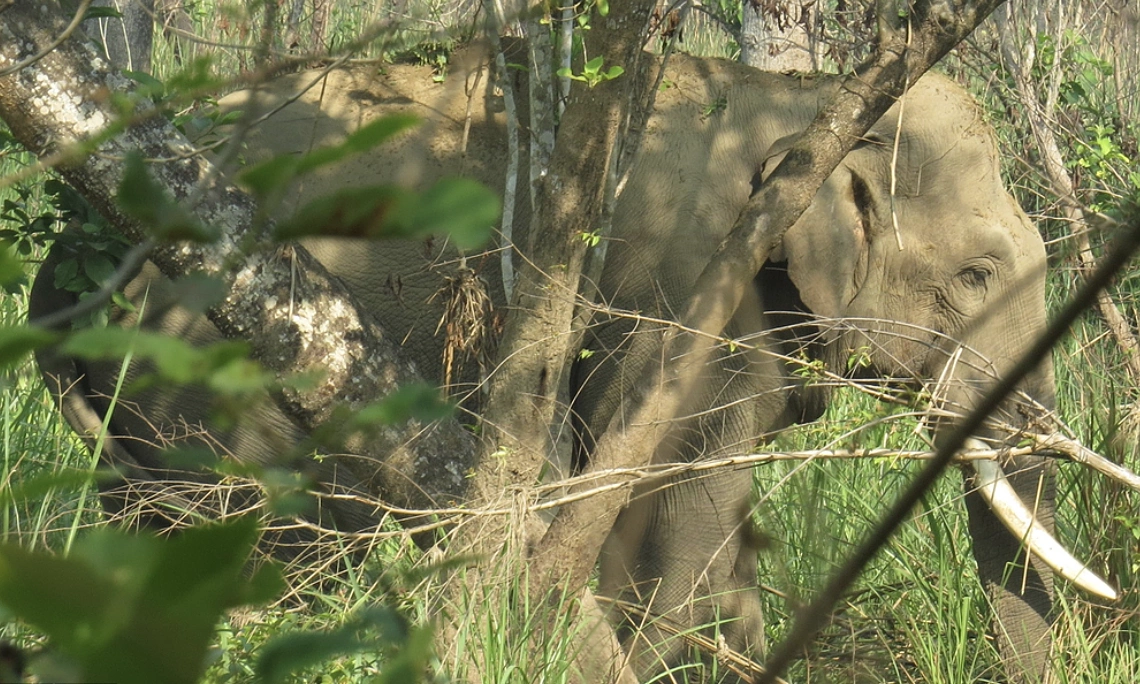
A wild elephant has tragically killed the daughter-in-law and grandson of Shanichara, a man whose parents were also killed by the same elephant 14 years ago. The elephant, which had previously caused the death of Shanichara's parents, traveled over 370 kilometers to reach the family's new residence. This devastating event marks a continuation of the tragedy that has plagued Shanichara's family for over a decade. The initial incident occurred 14 years prior, when the wild elephant attacked and killed Shanichara's parents. Following this, the family relocated in an attempt to escape the threat. However, the elephant managed to track them to their new home, resulting in the recent fatalities. The circumstances highlight a persistent and dangerous conflict between humans and wildlife, with devastating personal consequences.
This tragic event underscores the persistent challenge of human-wildlife conflict, particularly in areas where human settlements encroach upon natural habitats. The elephant's remarkable ability to traverse significant distances and locate a specific family suggests complex environmental or behavioral factors at play, potentially linked to resource scarcity or learned behaviors. From a systemic perspective, such incidents highlight the inadequacy of current wildlife management and human settlement planning strategies. Future approaches may need to incorporate more robust habitat preservation, advanced tracking technologies for both wildlife and human populations, and community-based conservation initiatives that foster coexistence and mitigate risks. The long-term implications involve not only the immediate human toll but also the potential for escalating conflict as both human and animal populations adapt to changing environmental pressures.
AI-generated to prompt reflection — not editorial opinion, not advice, not a statement of fact. How this works.