Wildfire Dangers Escalate Globally Amidst Rising Temperatures
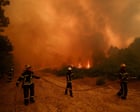
Fierce wildfires, exacerbated by consecutive heatwaves, are forcing widespread evacuations across southern Europe, with tens of thousands of residents fleeing their homes. Simultaneously, intense infernos in Canada and the United States are blanketing major cities in dense smoke, significantly impacting air quality and public health. These extreme fire events are occurring as global temperatures continue to rise, creating conditions that are expected to intensify the frequency and ferocity of wildfires. The increasing risk poses a significant threat to populations worldwide, highlighting the urgent need for effective mitigation and adaptation strategies. As the planet heats up, the potential for more destructive fires grows, putting more communities in harm's way. The interconnectedness of these events, from heatwaves to smoke plumes affecting distant urban centers, underscores the global scale of the climate crisis and its tangible consequences.
The escalating intensity and frequency of wildfires globally, as evidenced by recent events in Europe, Canada, and the US, are a direct consequence of anthropogenic climate change. Rising global temperatures create drier conditions and increase the likelihood of extreme heat events, which serve as catalysts for these infernos. This trend poses a systemic risk to infrastructure, ecosystems, and human populations, necessitating a multi-faceted approach. Mitigation efforts must focus on reducing greenhouse gas emissions to address the root cause, while adaptation strategies are crucial for managing the inevitable impacts. This includes enhancing early warning systems, improving land management practices, and developing resilient communities capable of withstanding these environmental pressures. The long-term challenge lies in balancing immediate response needs with the imperative for fundamental policy shifts to achieve a sustainable future.
AI-generated to prompt reflection — not editorial opinion, not advice, not a statement of fact. How this works.