Wildfire in Oinoi Creates Its Own Weather Conditions
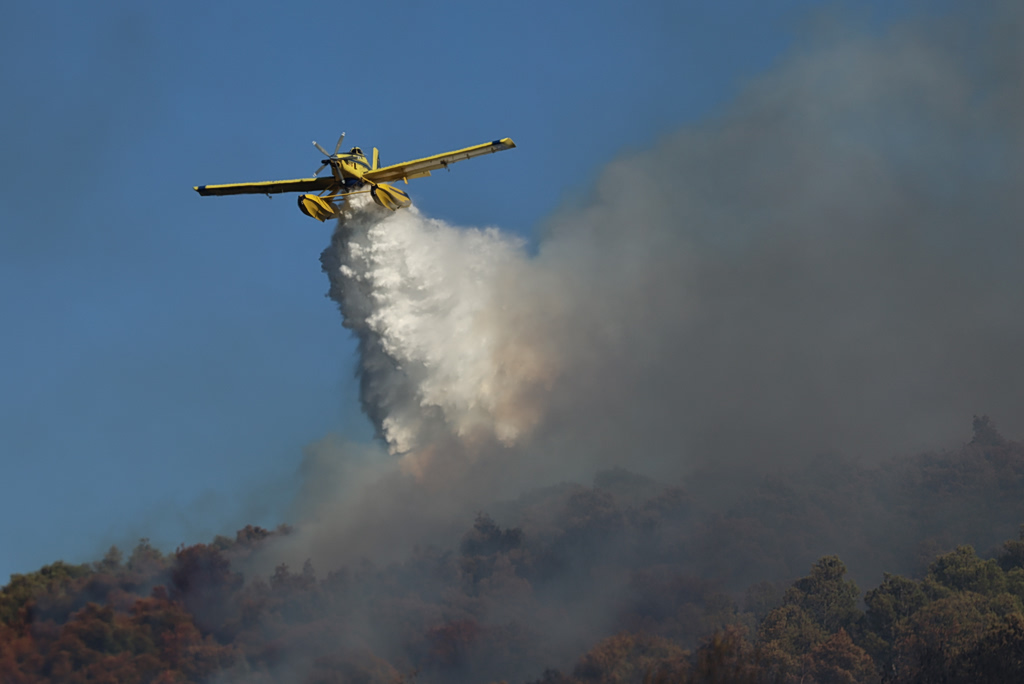
According to Meteo, a wildfire in Oinoi has generated its own weather phenomena. This process, known as pyrocumulus or fire-induced weather, occurs when a forest fire interacts intensely with the atmosphere. These interactions can lead to the creation of localized weather systems directly influenced by the fire itself. The phenomenon highlights how large fires can become self-sustaining and even exacerbate their own spread. The specific conditions in Oinoi are described as a prime example of this meteorological event. The fire's intensity has been significant enough to alter atmospheric conditions in its immediate vicinity. This self-generated weather can include updrafts and changes in wind patterns, further fueling the flames. Meteo's analysis emphasizes the complex relationship between fire behavior and atmospheric dynamics. Understanding pyrocumulus is crucial for predicting and managing large-scale wildfires.
The phenomenon of pyrocumulus, where wildfires generate their own weather, underscores the critical feedback loops between environmental events and atmospheric conditions. This self-amplifying effect, driven by the intense heat and moisture release from a large fire, can significantly complicate containment efforts. From a systems perspective, it demonstrates how localized events can escalate into larger meteorological phenomena, challenging traditional forecasting models. Future wildfire management strategies will need to increasingly integrate real-time atmospheric modeling that accounts for these fire-induced weather patterns to improve prediction accuracy and resource allocation, especially in the context of a changing climate which may increase the frequency and intensity of such events.
AI-generated to prompt reflection — not editorial opinion, not advice, not a statement of fact. How this works.