Wildfire Preparedness: Expert Advises Tourists on Evacuation Routes Amid Rising Fire Risks
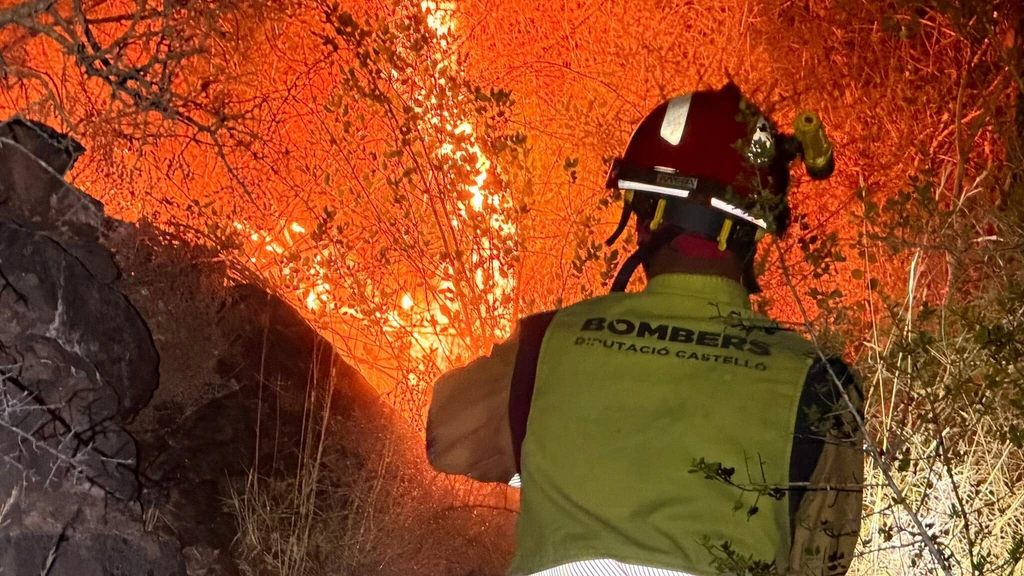
Spain is grappling with a deadly wildfire, following thousands of evacuations in Southern France earlier this week due to a similar blaze. Jelmer Dam, national coordinator for wildfire management at Brandweer Nederland, emphasizes that climate change is increasing the frequency and intensity of these fires. Dam, who previously worked in wildfire fighting in Southern Spain, notes a significant shift from seven months of fire risk annually to a year-round threat. The recent fire in Bédar, southeastern Spain, claimed at least twelve lives, marking the deadliest in Spain since 2005. This incident highlights the evolving challenges in combating larger, faster-spreading fires driven by heat, drought, and wind. Dam advises that proactive evacuation, as seen near Perpignan, France, is becoming crucial as traditional firefighting methods struggle to contain these rapidly moving fires. Tourists heading to wooded areas in Southern Europe are urged to prepare thoroughly by understanding their surroundings and identifying multiple escape routes, similar to hotel fire safety advice. He points out that victims in the Bédar fire, many of whom were foreign tourists unfamiliar with the local conditions, did not follow standard evacuation procedures and some even refused evacuation orders, leading to tragic outcomes. Europe is warming at twice the global average, according to the EU's Copernicus Climate Change Service, making it highly susceptible to wildfires exacerbated by heatwaves. In response, forty Dutch firefighters are deploying to Catalonia for a month to assist local crews and gain experience in wildfire suppression, following a similar deployment last year.
The increasing frequency and intensity of wildfires in Southern Europe, directly linked to climate change and accelerated warming on the continent, present a growing risk to both residents and tourists. This situation necessitates a paradigm shift from solely focusing on fire suppression to prioritizing robust evacuation strategies and public awareness. The incident in Bédar underscores the critical importance of clear communication, adherence to official guidance, and the need for visitors to be adequately informed about local risks and emergency procedures. As wildfire seasons lengthen and intensify, effective preparedness will increasingly depend on understanding evacuation routes and having contingency plans, particularly for individuals less familiar with the environment. Future wildfire management frameworks must integrate climate adaptation measures, enhanced early warning systems, and public education campaigns to mitigate the escalating threat.
AI-generated to prompt reflection — not editorial opinion, not advice, not a statement of fact. How this works.