Wildfire Risk: Could Brandenburg Face South European-Style Fires?
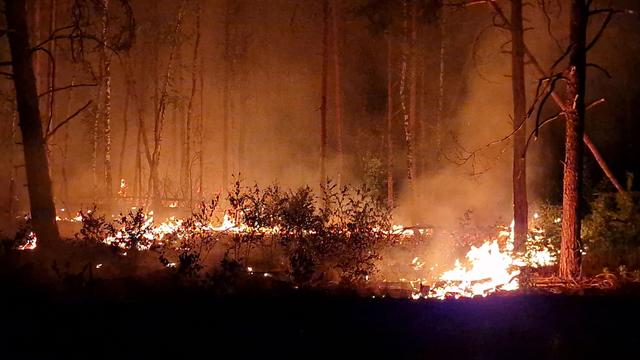
The risk of wildfires in Brandenburg, Germany, is a growing concern, with experts questioning whether the region could experience fires similar to those seen in Southern Europe. While Brandenburg's forest composition and landscape differ from Mediterranean areas, factors like prolonged dry periods and high temperatures increase the potential for significant blazes. The state's forestry sector is already grappling with the effects of climate change, including drought stress on trees, which makes them more susceptible to fire. Recent years have seen an increase in the frequency and intensity of forest fires across Germany, prompting authorities to re-evaluate preparedness measures. Efforts are underway to improve early detection systems and response capabilities, but the scale of potential fires remains a challenge. The comparison to Southern Europe serves as a stark reminder of the escalating threat posed by climate change to forest ecosystems, even in regions not traditionally considered high-risk. Understanding the specific vulnerabilities of Brandenburg's forests, such as the prevalence of pine stands which are highly flammable, is crucial for effective prevention and management strategies. The long-term outlook suggests that proactive measures, including forest adaptation and public awareness campaigns, will be essential to mitigate future risks.
The increasing frequency of severe weather events, including droughts and heatwaves, globally highlights the interconnectedness of climate impacts across diverse geographical regions. While historical fire regimes and vegetation types differ between Northern and Southern Europe, the fundamental drivers of increased wildfire risk—namely, elevated temperatures and reduced precipitation—are becoming more pronounced in Brandenburg. This situation necessitates a strategic re-evaluation of land management practices, focusing on climate-resilient forestry and enhanced fire prevention infrastructure. The challenge lies in balancing ecological preservation with public safety and resource allocation for emergency response, particularly as climate models project a continuation of these trends over the next decade. Proactive adaptation strategies, rather than solely reactive measures, will be key to building resilience against future wildfire threats.
AI-generated to prompt reflection — not editorial opinion, not advice, not a statement of fact. How this works.