Wildfire Smoke Creates Hazardous Air Quality Across Parts of the U.S.
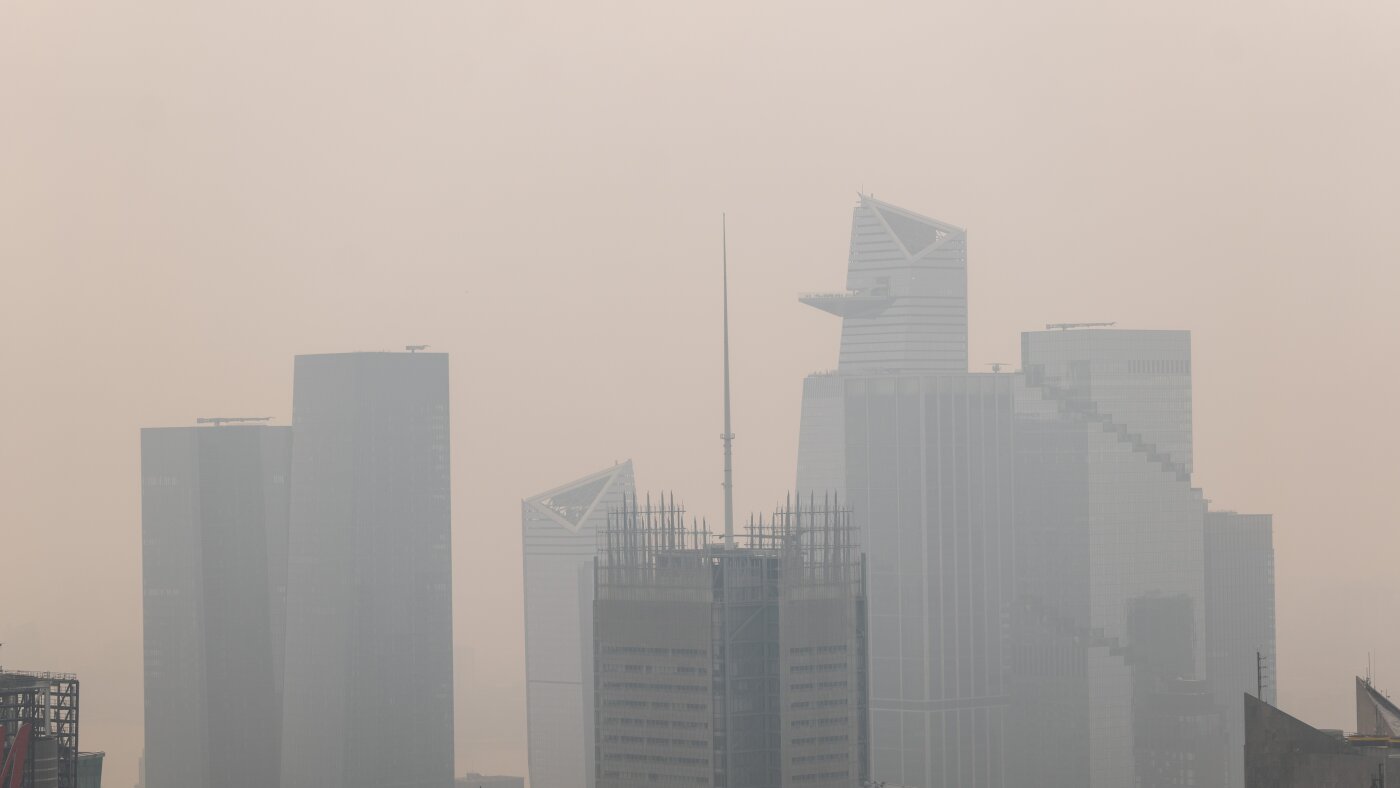
Large areas of the United States experienced orange skies and heavy smoke on Thursday due to ongoing wildfires. Both Canada and Minnesota are currently battling significant blazes. This situation has led to hazardous air quality conditions across affected regions. Experts anticipate that these poor air quality conditions are likely to persist. The smoke originates from extensive wildfires, impacting visibility and public health. Residents in affected areas are advised to take precautions due to the elevated levels of particulate matter in the air. The extent of the wildfires and the resulting smoke plume pose a considerable environmental and health challenge. Authorities are monitoring the situation closely and providing updates on air quality advisories.
The recurring issue of widespread wildfire smoke impacting air quality across the U.S. highlights systemic challenges in land management and climate change adaptation. As wildfire seasons intensify, driven by environmental shifts, the economic and public health costs are escalating. This necessitates a re-evaluation of preventative strategies, including forest health initiatives and robust emergency response frameworks. The long-term implications involve not only immediate health risks but also potential disruptions to supply chains and outdoor economies, underscoring the need for integrated, forward-looking policies that address both the causes and consequences of these environmental events.
AI-generated to prompt reflection — not editorial opinion, not advice, not a statement of fact. How this works.