Wildfire Smoke Creates Hazy Conditions and Air Quality Alerts Across U.S. and Canada
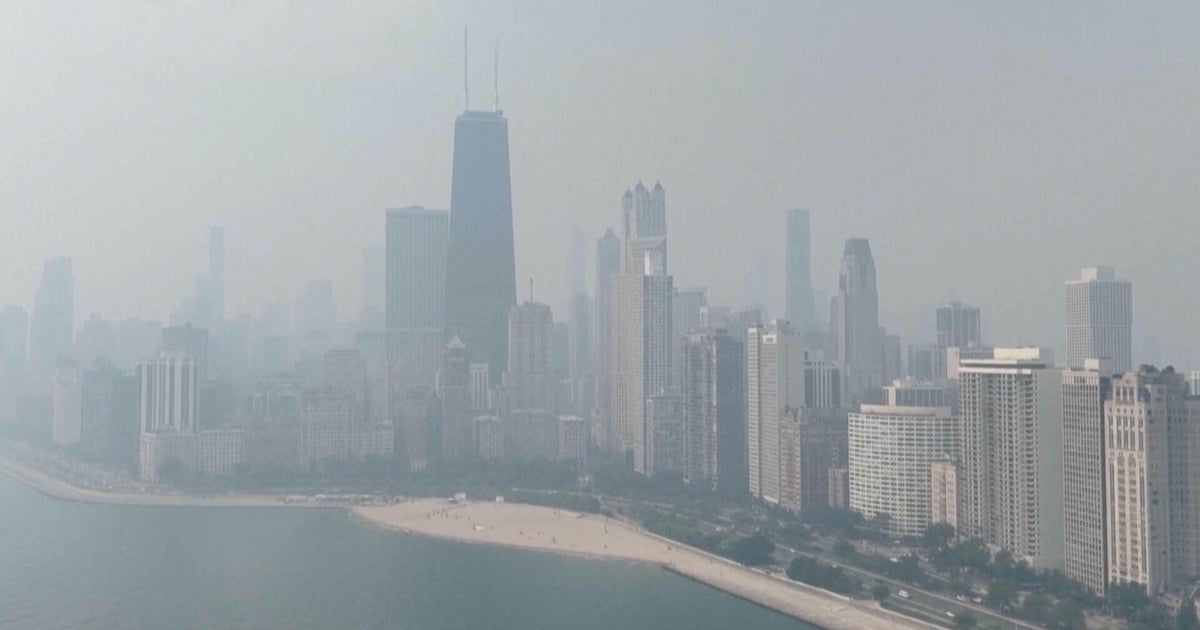
Wildfire smoke originating from Canada and Minnesota has spread across significant portions of the United States, leading to widespread air quality alerts. These alerts have been issued in 18 states, warning residents about the unhealthy atmospheric conditions. Visual evidence from several cities captured the extent of the hazy conditions, illustrating the impact of the smoke on visibility and the environment. The smoke's trajectory highlights the transboundary nature of air pollution events, where events in one region can have substantial effects on neighboring countries and distant areas. This situation underscores the ongoing challenges posed by wildfires, particularly in the context of changing climate patterns that can exacerbate fire frequency and intensity. The need for robust air quality monitoring and public health advisories becomes critical during such events to protect vulnerable populations.
The widespread dispersion of wildfire smoke across North America demonstrates the interconnectedness of environmental systems and the transboundary implications of localized events. This phenomenon highlights the critical need for coordinated international strategies in wildfire management and air quality monitoring. As climate change influences the frequency and intensity of wildfires, such events are likely to become more common, necessitating proactive adaptation measures. Public health advisories are essential, but they also point to systemic vulnerabilities in urban planning and infrastructure that may not adequately account for extreme environmental conditions. Future planning should consider the long-term impacts of smoke events on public health, economic activity, and ecological systems, fostering resilience against these growing environmental challenges.
AI-generated to prompt reflection — not editorial opinion, not advice, not a statement of fact. How this works.