Wildfire Smoke Impacted North American Air Quality for a Week in July 2026
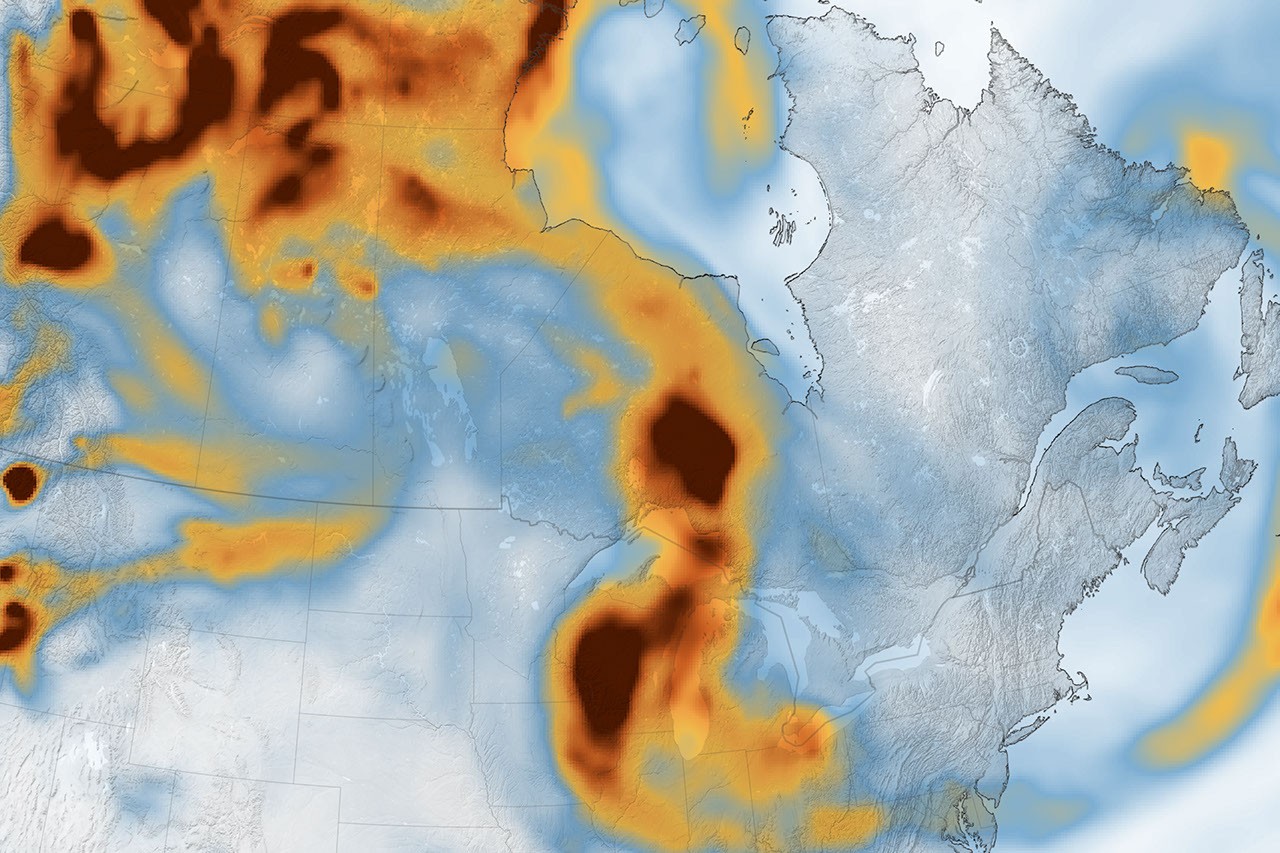
Brown carbon particles, originating from wildland fires, significantly degraded air quality across portions of the United States and Canada during a week in July 2026. This phenomenon highlights the widespread impact of wildfires on atmospheric conditions beyond immediate geographical proximity. The presence of brown carbon, a component of smoke, contributes to air pollution and can have implications for public health and visibility. The event underscores the transboundary nature of air pollution, demonstrating how emissions from one region can affect air quality in others. Further monitoring and research into the long-term effects of such events are crucial for understanding and mitigating future risks. The duration of the event, spanning a full week, suggests a substantial and persistent source of emissions or specific atmospheric conditions that trapped the pollutants. This incident serves as a reminder of the environmental challenges posed by increasing wildfire activity.
The July 2026 event involving brown carbon from wildland fires underscores the increasing challenge of transboundary air pollution exacerbated by climate change and land management practices. The widespread impact across North America highlights the interconnectedness of environmental systems and the limitations of national borders in addressing atmospheric threats. Future strategies will likely need to integrate enhanced regional cooperation on wildfire prevention and suppression, alongside technological advancements in air quality monitoring and forecasting. The persistence of such events suggests a need for systemic adaptation to a future where air quality is increasingly influenced by factors beyond direct industrial or urban emissions.
AI-generated to prompt reflection — not editorial opinion, not advice, not a statement of fact. How this works.