Wildfire Smoke Threatens 2026 World Cup Final in New Jersey
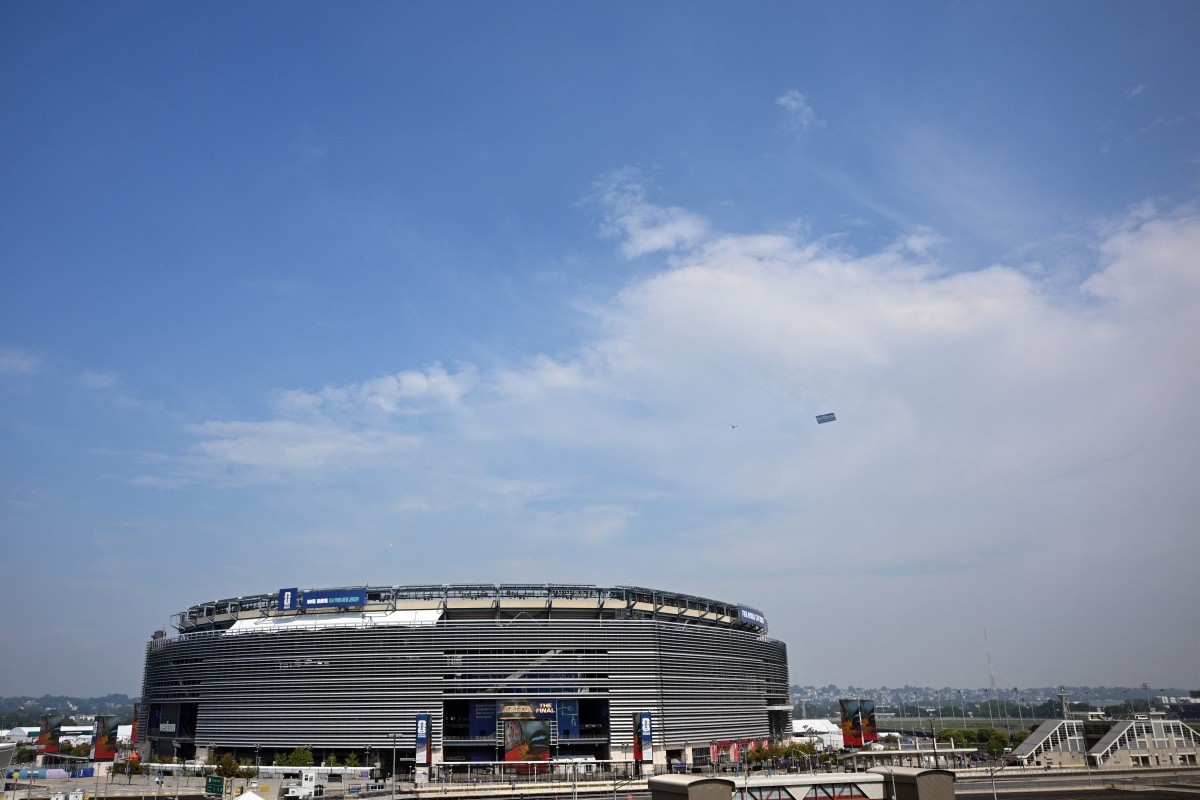
The 2026 FIFA World Cup final, scheduled for Sunday, June 19th, in East Rutherford, New Jersey, faces potential disruption from wildfire smoke originating in Canada. The New York and New Jersey region experienced "very unhealthy" air quality on Thursday, June 16th, due to this smoke. However, the U.S. National Weather Service (NWS) forecasts a change in weather conditions for the weekend. Rain and thunderstorms are expected on Saturday, June 18th, potentially clearing some smoke particles from the lower atmosphere. Following this, Sunday is predicted to have clear weather in East Rutherford, where the final between Argentina and Spain will be held at the open-air MetLife Stadium. While rain could offer temporary relief, the overall air quality remains uncertain. Factors such as wind direction, smoke altitude, and the continuation of the fires will influence how much the air improves. The NWS updated forecast for Friday, June 17th, still indicates smoke in parts of the region, with a high chance of rain (80% during the day, 90% at night) and thunderstorms on Saturday. Although Sunday's official bulletin does not mention smoke in East Rutherford, with sunny skies and a high of 28°C predicted, authorities advise checking the Air Quality Index (AQI) before attending events, as levels above 100 are considered harmful to sensitive groups. The match is scheduled to start at 3 PM local time.
The proximity of the 2026 World Cup final to significant wildfire events highlights the increasing vulnerability of major sporting events to environmental factors. This situation underscores the need for robust contingency planning that accounts for climate-driven risks, such as air quality degradation. While meteorological forecasts offer some predictive power, the inherent unpredictability of wildfire smoke plumes necessitates flexible operational strategies. Organizers must balance the immediate logistical challenges with long-term considerations for athlete and spectator health, potentially influencing venue selection criteria and event scheduling in future seasons. The reliance on open-air venues for such high-profile events presents a systemic challenge in an era of heightened environmental volatility.
AI-generated to prompt reflection — not editorial opinion, not advice, not a statement of fact. How this works.