Wildfire Smoke: Understanding Air Quality Risks and Protection Measures
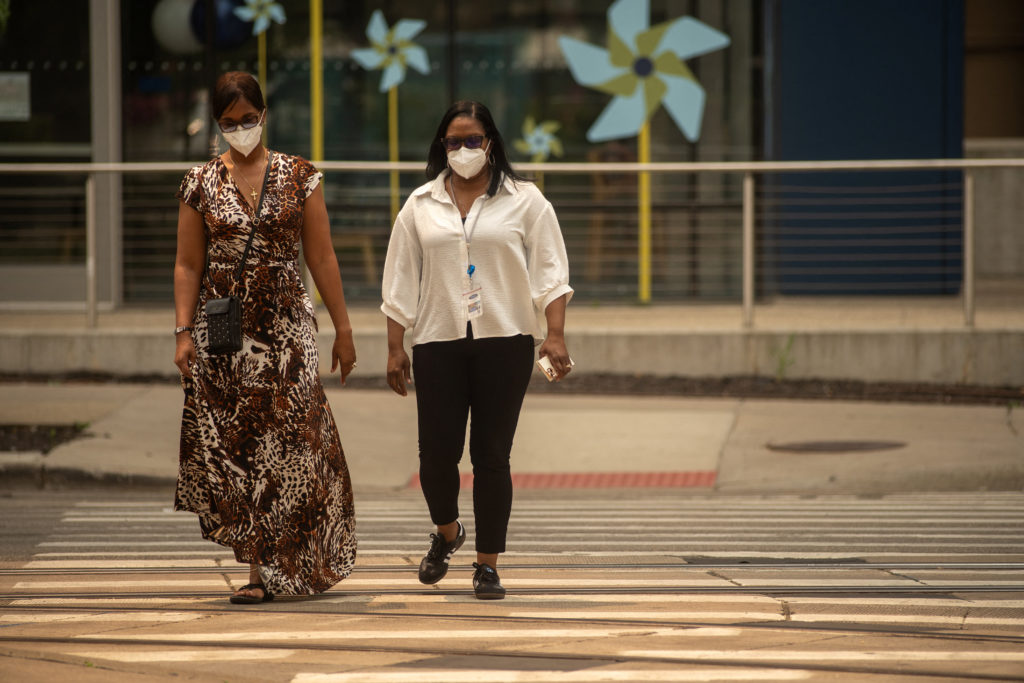
Wildfire smoke can pose significant health risks, even when the pollution is not visibly apparent. The fine particles and gases present in smoke can travel long distances, impacting air quality far from the fire's origin. Inhaling this smoke can lead to a range of respiratory and cardiovascular problems. Symptoms may include coughing, wheezing, shortness of breath, and irritation of the eyes, nose, and throat. Individuals with pre-existing conditions like asthma, COPD, or heart disease are particularly vulnerable to these effects. Protecting yourself involves staying informed about local air quality reports and advisories. When air quality is poor, it is recommended to stay indoors as much as possible. Closing windows and doors, and using air purifiers with HEPA filters can help reduce indoor exposure. If outdoor activity is unavoidable, wearing a well-fitting N95 respirator mask can offer significant protection. Avoiding strenuous activities outdoors is also crucial during periods of high pollution.
Wildfire smoke represents a growing environmental challenge, exacerbated by climate change and land management practices. The widespread impact of smoke pollution highlights the interconnectedness of ecological systems and public health, transcending geographical boundaries. This situation underscores the need for robust public health infrastructure capable of disseminating timely information and protective guidance. Future preparedness will likely involve advancements in air quality monitoring, improved forecasting models for smoke plumes, and potentially more widespread adoption of personal protective equipment. Addressing the root causes of increased wildfire frequency and intensity, such as climate change mitigation and sustainable land use policies, remains a critical long-term consideration for safeguarding public well-being.
AI-generated to prompt reflection — not editorial opinion, not advice, not a statement of fact. How this works.