Wildfire Threatens Spain's Popular Costa Brava Tourist Area
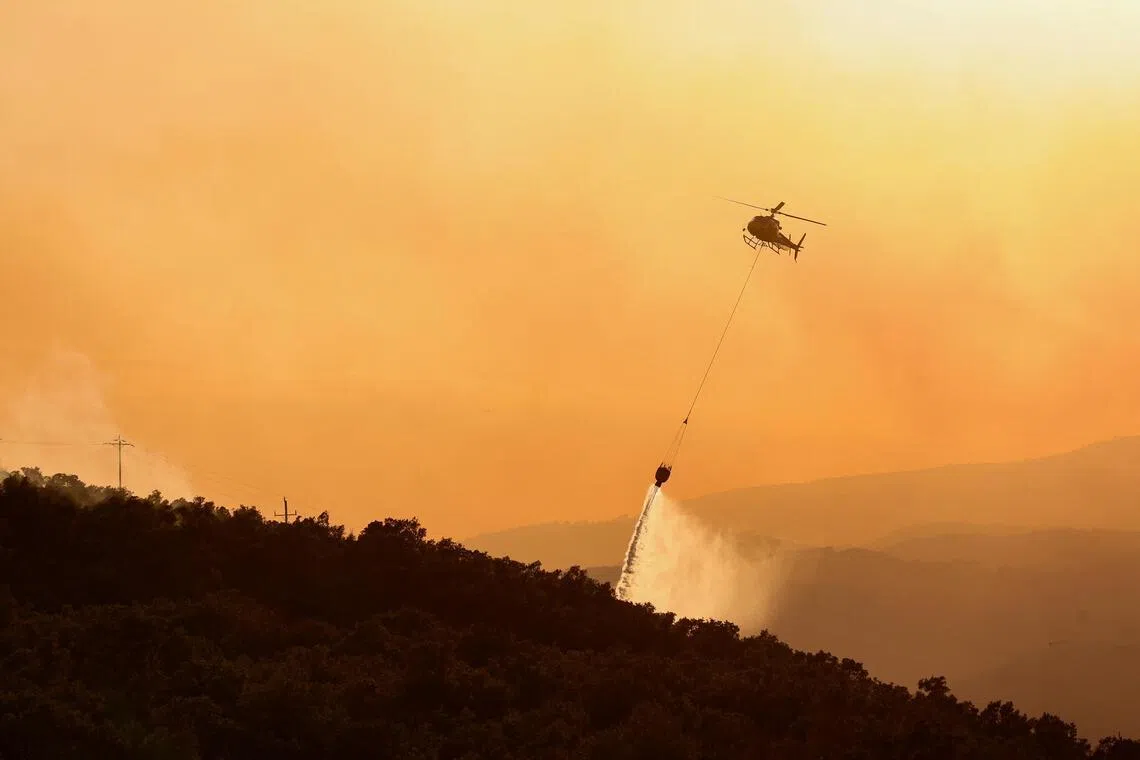
A wildfire is posing a significant threat to Spain's Costa Brava, a renowned tourist destination. As of July 3, thousands of residents and visitors were instructed to remain confined to their homes due to the advancing flames. The situation highlights the increasing vulnerability of popular tourist regions to environmental hazards. Firefighting efforts are underway, with authorities closely monitoring the fire's progression and its potential impact on the surrounding communities and natural landscape. The Costa Brava is known for its picturesque coastline and attracts a large number of international tourists each year. The ongoing wildfire raises concerns about the safety of those in the affected areas and the potential damage to infrastructure and the environment. Further updates on the containment of the fire and the lifting of confinement orders are expected as the situation develops.
The wildfire incident on Spain's Costa Brava underscores the growing intersection of climate change impacts and tourism-dependent economies. As global temperatures rise, regions heavily reliant on natural beauty for revenue face escalating risks from extreme weather events like wildfires. This situation necessitates a strategic re-evaluation of land-use planning and emergency preparedness in such vulnerable areas. Future resilience will likely depend on integrating advanced fire-detection technologies, robust evacuation protocols, and sustainable land management practices that mitigate fuel loads. The long-term challenge involves balancing economic development with ecological preservation, ensuring that popular destinations can adapt to a changing climate without compromising safety or environmental integrity.
AI-generated to prompt reflection — not editorial opinion, not advice, not a statement of fact. How this works.