Wildfires Advance on Major Cities in France and Spain Amidst Evacuations
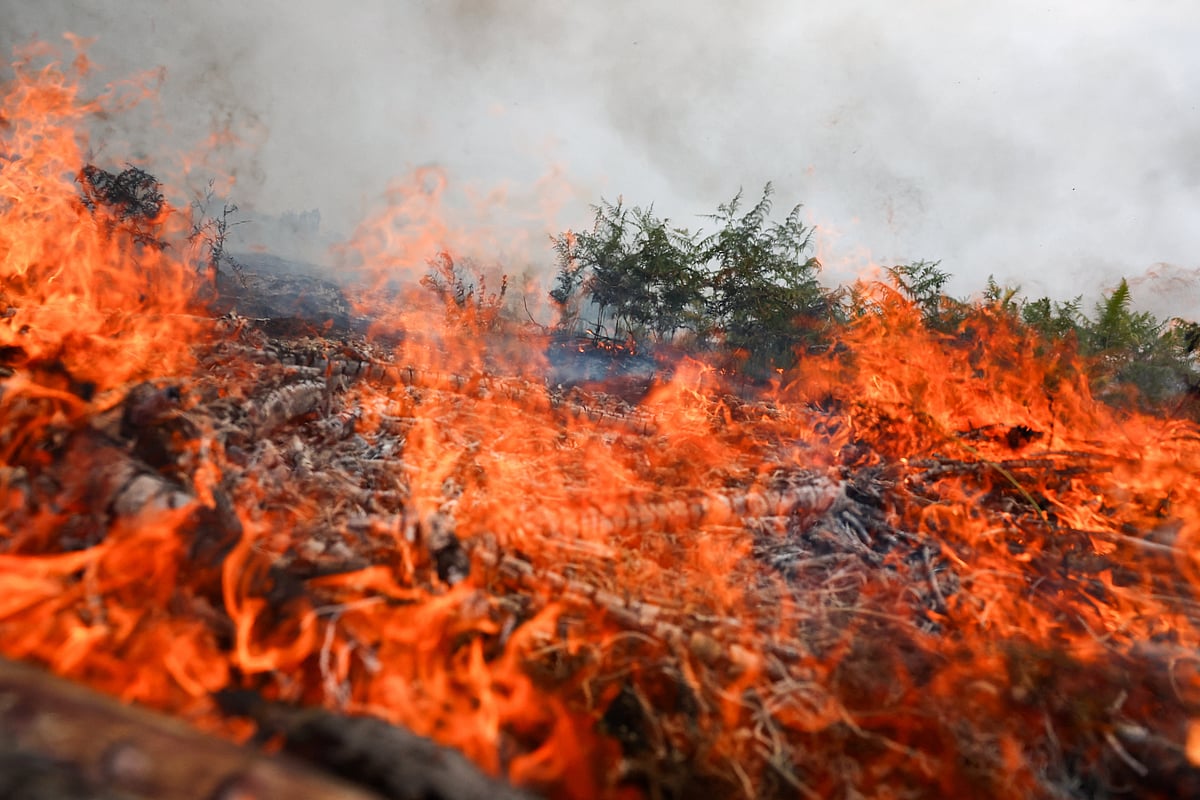
Europe is grappling with severe wildfires, particularly in its southwestern regions, as the peak summer holiday season continues. The rapidly spreading blazes are now threatening major cities like Bordeaux in France and Madrid in Spain, according to reports from The New York Times and CNN. As of Saturday, the situation had become so dire that approximately 300,000 people have been evacuated or forced to seek shelter. Firefighting efforts include aerial chemical retardant drops from an Airbus A400M aircraft. In France, the situation is particularly alarming, with authorities ordering the evacuation of nearly 197,000 people from the Gironde and Landes regions. The area burned in these French regions is roughly three times the size of Paris. The wildfires are not confined to France and Spain; they have also spread to parts of Italy and Scotland, leading to the evacuation of over 250,000 people across the continent. Spanish Prime Minister Pedro Sánchez expressed optimism, noting that weather conditions are becoming more favorable for rescue teams and that the upcoming weekend presents a critical opportunity to control the fires. France has deployed a large military cargo plane to aid in firefighting, with additional international assistance en route. The widespread fires have caused significant disruptions, including severe traffic congestion due to mass evacuations and even a shortened final stage of the "Tour de France" cycling race. Experts attribute the escalating wildfires to intense heatwaves driven by climate change, which create dry and hot conditions conducive to more severe and prolonged fire seasons.
The current wildfire crisis in Southwestern Europe highlights the escalating impact of climate change, manifesting as more frequent and intense heatwaves. The scale of evacuations and the threat to major urban centers underscore the vulnerability of densely populated areas to extreme weather events. While international aid and military resources are being deployed, the long-term challenge lies in adapting infrastructure and land management practices to a new climate reality. Future strategies will likely need to integrate climate resilience more deeply into urban planning and resource allocation, considering the increasing probability of such events impacting human settlements and critical infrastructure. The event prompts reflection on the systemic risks posed by global temperature increases and the need for coordinated, proactive measures beyond immediate disaster response.
AI-generated to prompt reflection — not editorial opinion, not advice, not a statement of fact. How this works.