Wildfires Displace Thousands Across Southern Europe Amid Heatwave
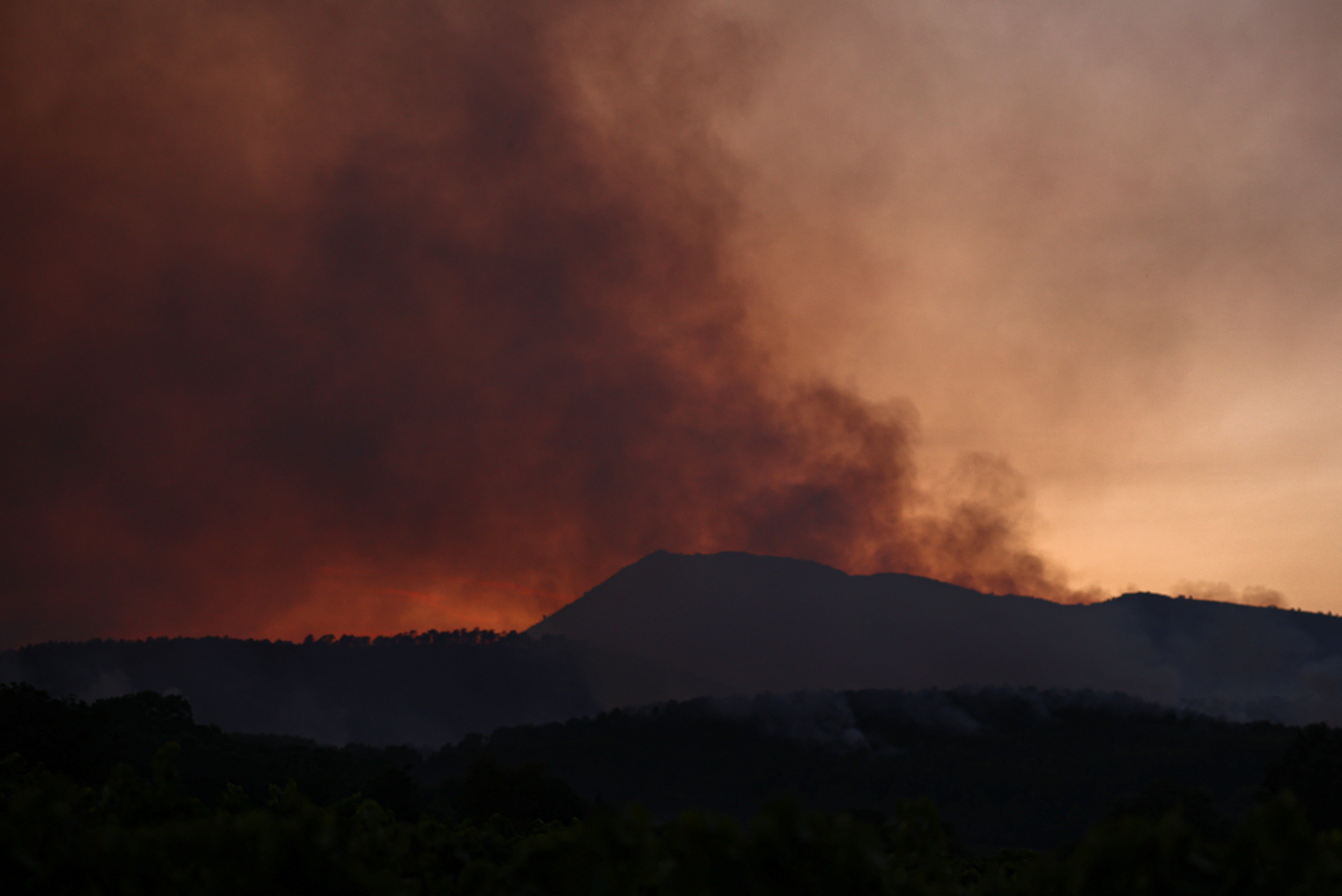
Violent wildfires, fueled by wind and high temperatures, are devastating multiple regions in southern Europe, forcing thousands of people to flee their homes in France and Spain as of Thursday, July 23. This year is proving to be the second worst on record for forest fire destruction in the European Union, based on satellite data collected over the past 20 years. Tragically, at least three firefighters have lost their lives in recent days, with two in France and one in Italy. In southern France, firefighters are battling two major blazes. One near Bordeaux has already consumed 3,400 hectares, prompting the evacuation of approximately 20,000 people, including tourists and local residents. Another fire in the Var department, which began on Tuesday, has destroyed 2,500 hectares, leading to the evacuation of over 300 people. French Interior Minister Laurent Nuñez reported that over 12,500 fires have been recorded nationwide this year, burning 44,000 hectares, an unprecedented area for this time of year in France. Spain and Italy are also experiencing severe fire seasons. In Italy, dozens of fires are raging in Sicily, where 100 residents and 22 clinic patients were evacuated due to temperatures exceeding 40°C. The region's president stated that around 50 fires remain active out of 344 reported on Wednesday. In Spain, a significant fire north of Madrid in Guadalajara province has burned 32,000 hectares since last Thursday, and 3,500 inhabitants of Aldea del Fresno were evacuated on Thursday. These fires are exacerbated by prolonged drought and exceptional heatwaves in June and July, which have dried out vegetation and soil, creating ideal conditions for rapid spread, particularly in arid areas.
The current wave of intense wildfires across Southern Europe highlights the escalating impact of climate change, characterized by prolonged droughts and extreme heat events. These conditions create a heightened risk environment where human activities, such as vegetation management, can inadvertently trigger devastating fires. The scale of displacement and loss of life underscores the urgent need for enhanced climate adaptation strategies and robust disaster preparedness infrastructure. Future investments should focus on resilient land management practices, early warning systems, and international cooperation to mitigate the increasing frequency and severity of such climate-driven disasters. The interconnectedness of environmental factors and human safety necessitates a proactive, systems-level approach to safeguarding communities against escalating climate risks.
AI-generated to prompt reflection — not editorial opinion, not advice, not a statement of fact. How this works.