Wildfires Force Evacuation of 10,000 in Southern France
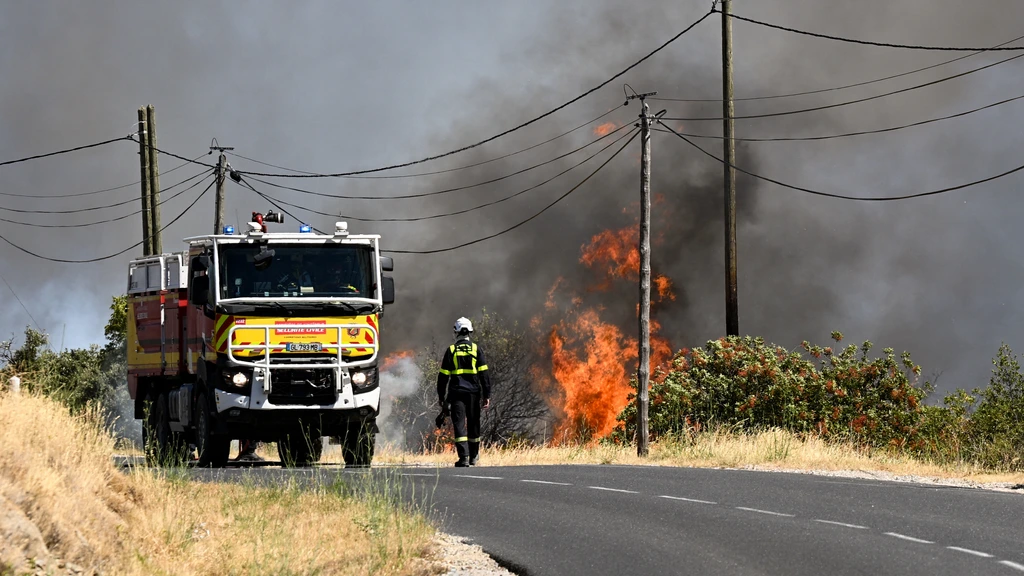
Approximately 10,000 residents have been evacuated in southeastern France due to raging wildfires. The fires have rapidly destroyed an area of 2,000 hectares in the Pyrénées-Orientales department, near the city of Perpignan. Over 700 firefighters are currently battling the blaze in the region, with local authorities describing the situation as "very difficult." Nationally, 3,000 firefighters have been mobilized to combat wildfires across France. The specific fire near Perpignan ignited on Saturday evening in the municipality of Trévillach, approximately 35 kilometers from the city. This mountainous area presents significant access challenges for emergency responders. Evacuations commenced during the night between Saturday and Sunday, as announced by Interior Minister Nuñez on X. He expressed gratitude to the personnel, including military firefighters, the air force, volunteers, accredited civil defense guards, and Romanian firefighters, for their tireless efforts in protecting the population. The final stage of the Tour de France is scheduled to finish in the same French department, about eighty kilometers from the evacuation zones. The stage will proceed without spectators or the advertising caravan, a decision attributed to the substantial deployment of emergency services in the affected area. The public has been urged to avoid the race route and the finish line in Les Angles.
The wildfires in Pyrénées-Orientales highlight the escalating challenge of climate-driven extreme weather events, particularly in regions with dense vegetation and challenging terrain. The extensive evacuation underscores the critical need for robust, forward-thinking disaster preparedness and response systems. The decision to proceed with the Tour de France stage, albeit with modifications, reflects a complex balancing act between maintaining public events and prioritizing safety and resource allocation during emergencies. This situation prompts consideration of how large-scale public gatherings can be managed in the context of increasing climate risks, and whether current frameworks adequately account for the strain on emergency services during simultaneous crises. Future strategies may need to integrate climate resilience planning more deeply into event management and regional development.
AI-generated to prompt reflection — not editorial opinion, not advice, not a statement of fact. How this works.