Wildfires Force Evacuation of ESA and NASA Deep Space Stations in Spain
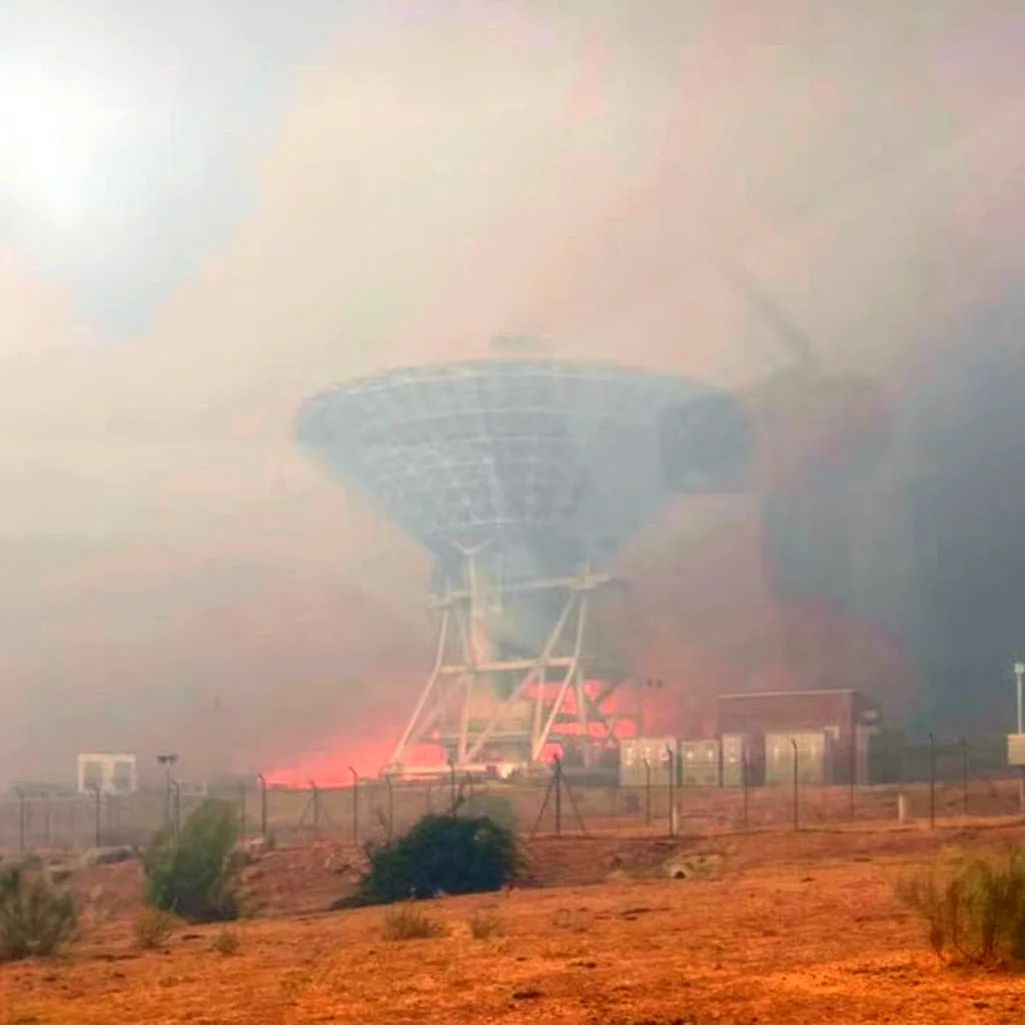
Wildfires raging through the provinces of Ávila and Madrid have forced the European Space Agency (ESA) and NASA to evacuate their deep space tracking stations in Cebreros and Robledo de Chavela, respectively. The ESA's Cebreros station is part of its ESTRACK network for mission tracking, while NASA's Robledo de Chavela facility is one of three sites comprising its Deep Space Network (DSN), which serves a similar purpose. The evacuations took place on Friday, July 24th. By Saturday, July 25th, the ESA reported that while access to Cebreros remained restricted, the station appeared to have sustained no damage. However, the same statement indicated that the NASA station in Robledo de Chavela did suffer some damage, although fortunately, the antennas were unaffected. Both networks are globally distributed, meaning that the temporary unavailability of Cebreros and Robledo de Chavela can be compensated for by other stations. Nevertheless, there are specific hours each day when certain missions might lose contact with mission control due to being outside the coverage zones of the remaining operational stations. Current monitoring suggests the Cebreros station is now active, but the Robledo de Chavela station, while appearing online in the DSN system, is not currently communicating with any missions.
The incident highlights the vulnerability of critical scientific infrastructure to environmental factors such as wildfires. While global redundancy in tracking networks mitigates immediate mission risk, the temporary loss of coverage underscores the need for robust contingency planning and potentially distributed operational models. As climate change intensifies, leading to more frequent and severe extreme weather events, organizations like ESA and NASA must consider the long-term resilience of their ground-based assets. This may involve investing in enhanced fire prevention and suppression measures at sensitive sites, exploring alternative communication pathways, or further decentralizing critical functions to minimize single points of failure.
AI-generated to prompt reflection — not editorial opinion, not advice, not a statement of fact. How this works.