Wildfires: From Ancient Threat to Modern Crisis
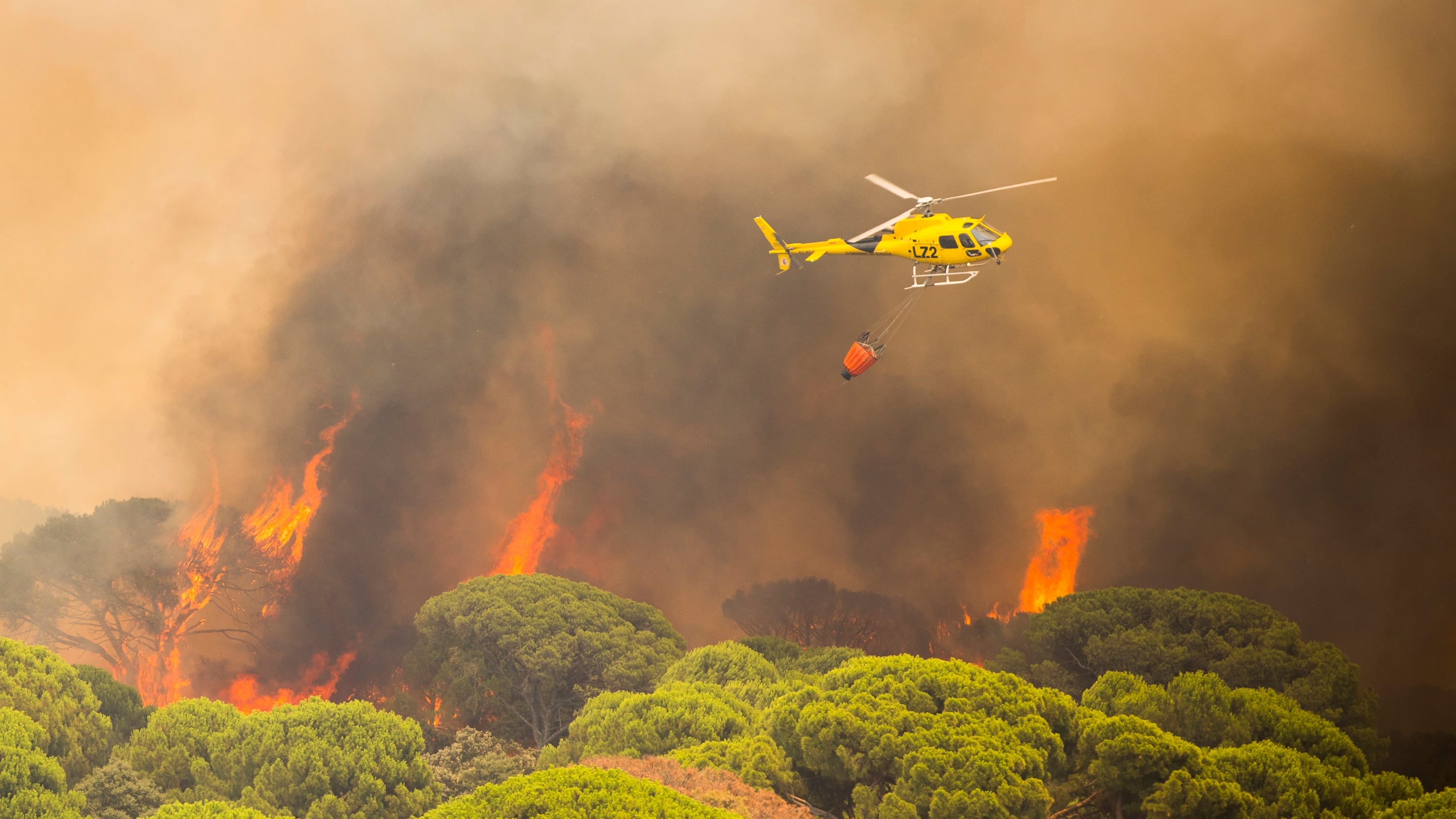
Wildfires have been a persistent natural phenomenon throughout human history. However, the current era is marked by an unprecedented and explosive voracity of these fires. This intensification suggests a departure from historical patterns, indicating that contemporary wildfires are behaving with a destructive power and speed that surpasses previous occurrences.
The article implies that while fires themselves are not new, the scale and intensity of recent events are a distinct and alarming development. This shift necessitates a re-evaluation of how these fires are understood and managed, moving beyond historical comparisons to address the unique challenges posed by their current destructive capacity.
The framing of "explosive voracity" highlights a perceived shift in wildfire behavior, potentially driven by climate change, land management practices, or increased human activity in fire-prone areas. This intensification poses significant challenges for ecological resilience and public safety, demanding adaptive strategies that account for these evolving dynamics. Future approaches will likely need to integrate advanced predictive modeling, proactive resource allocation, and potentially novel land-use policies to mitigate risks in an era of heightened fire danger.
AI-generated to prompt reflection — not editorial opinion, not advice, not a statement of fact. How this works.