Wildfires Linked to Increased Risk of Premature Birth and Low Birth Weight
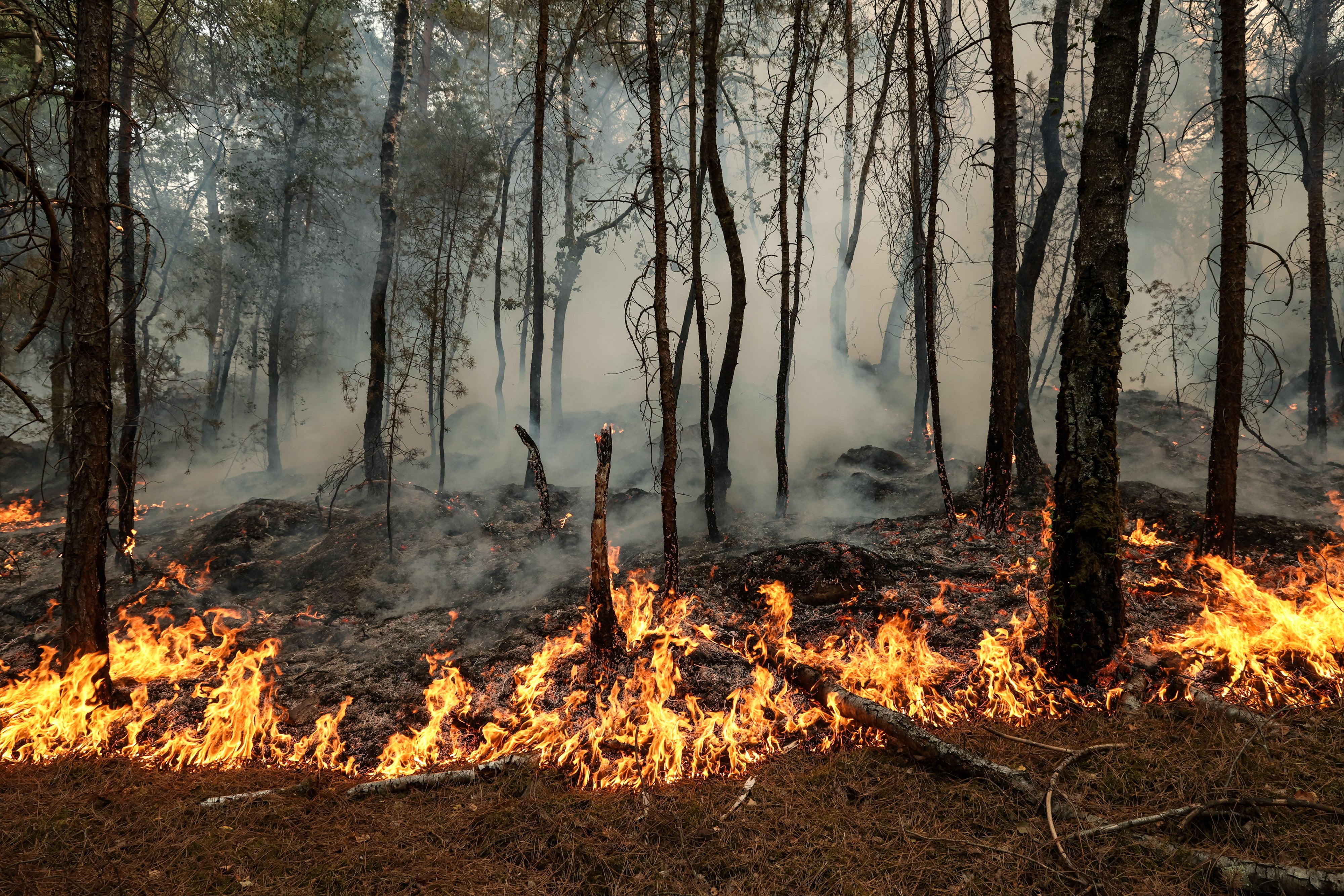
A recent study indicates a connection between exposure to wildfires and adverse pregnancy outcomes, specifically an increased risk of premature birth and low birth weight. Researchers describe the impact as "small, but consistent." The study suggests that the stress caused by the threat of wildfires, along with the air pollution generated by smoke, may contribute to these negative effects on fetal development. While the individual impact might be minor, the widespread nature of wildfires suggests a potentially significant public health concern. Further research may be needed to fully understand the mechanisms and quantify the precise risks associated with varying levels of exposure. The findings highlight the broader health implications of environmental hazards beyond immediate respiratory issues.
This study suggests a subtle but consistent link between wildfire exposure and adverse birth outcomes, attributing the effect to both psychological stress and air pollution. From a public health perspective, this highlights how environmental degradation can have cascading effects on vulnerable populations, including pregnant individuals. The findings underscore the importance of considering the indirect health consequences of climate-related events. Future policy and urban planning might need to integrate robust air quality management and mental health support systems for communities frequently impacted by wildfires, recognizing that the health burden extends beyond immediate physical injury to encompass long-term developmental impacts.
AI-generated to prompt reflection — not editorial opinion, not advice, not a statement of fact. How this works.